


Please sign in with Google to view the map.
Sign in with GoogleTarragona Roman Amphitheatre – Tickets, Hours & Top Tips
Discover Tarragona’s 2nd‑century Roman Amphitheatre with opening hours, ticket options and essential tips for visiting this UNESCO site managed by the Museum of History Tarragona
Views:
5.1k
About History of Tarragona Museum Roman Amphitheatre
Dating from the 2nd century A.D. and set directly above the Mediterranean Sea, the oval-shaped Roman Amphitheatre of Tarragona was the venue for gladiatorial combat, animal hunts and public executions. Beneath the arena floor, the original pits used to load animals and gladiators are still visible. In the centre of the site you can see the foundations of a 6th‑century Visigoth basilica and, above it, the remains of a 12th‑century Romanesque‑Gothic church.
On 21 January 259, the Christian bishop Fructuosus and his deacons Augurius and Eulogius were executed by burning in the amphitheatre. Their martyrdom led to the construction of an early Christian basilica on the site in the 6th century, later replaced by the Romanesque church of Santa Maria del Miracle in the 12th century.
The amphitheatre stood just outside the Roman city walls, close to the shoreline, allowing animals arriving by sea to be unloaded easily. Two main types of spectacles were held here: gladiator fights and beast hunts (venationes). The arena also served as a place of execution for those sentenced to death.
The arena itself measures 62.5 by 38.5 metres, while the full structure reaches 130 by 102 metres and could accommodate around 15,000 spectators. A 3.25‑metre‑high podium separated the sand from the seating tiers. The cavea, or stands, were divided into three sections and built partly by cutting into the natural rock on the northern side and partly supported by vaulted structures elsewhere. Today, sections of the grandstand, the main access gates and fragments of the façade remain visible.
One of the most intriguing discoveries is a small chapel-like room containing a mural of Nemesis, the protective goddess of gladiators. This rare find highlights the ritual and symbolic world that surrounded the games.
Today, the amphitheatre forms part of the Museu d’Història de Tarragona (MHT) collection. It sits within the landscaped Parc de l’Amfiteatre, which includes a café and several viewpoints overlooking the ruins and the sea. Another excellent vantage point is the nearby Mediterranean Balcony, or Balcó del Mediterrani.
The Tarragona Roman Amphitheatre, along with the wider archaeological ensemble of Tarraco, was awarded UNESCO World Heritage status in 2000 for its exceptional Roman legacy.
Image Gallery For History of Tarragona Museum Roman Amphitheatre
Click on any of the 47 images to open full screen gallery player. Note that viewing images is subject to our Fair Use Policy.
Visiting History of Tarragona Museum Roman Amphitheatre
The Tarragona Roman Amphitheatre is managed by the Museu d’Història de Tarragona (MHT). Tickets can be purchased at the small ticket cabin inside the park, with the choice of a single‑site ticket or a combined pass covering multiple MHT attractions. Reduced prices are available for seniors (65+), students and children. For details on the MHT combined ticket, see the Tarragona overview page’s #tickets section.
Roman Tarragona Amphitheatre Opening Hours
Summer Season: 1 April – 30 September
- Tuesday to Friday: 09:00 – 20:30
- Saturday: 09:00 – 18:30
- Sunday & Public Holidays: 09:00 – 14:30
- Closed: Mondays and 5 April
- Open mornings only: 1 May, 24 June, 19 August, 11 September, 23 September
Winter Season: 1 October – 31 March
- Tuesday to Friday: 09:00 – 19:00
- Saturday: 09:00 – 18:30
- Sunday & Public Holidays: 09:00 – 12:30
- Closed: Mondays, 24–26 December, 31 December, 1 January, 6 January, 1 November
- Open mornings only: 12 October, 6 December, 8 December
Free Entry Days: International Museum Day (May), 19 August, 18 September, 23 September, 8–10 October, and the last Tuesday of January, February, March, May, October, November and December.
Access to the site closes 30 minutes before the official closing time.
Accessibility for the History of Tarragona Museum Roman Amphitheatre
Access to the Tarragona Roman Amphitheatre is via a series of steps leading down from the surrounding park. Visitors with mobility concerns should contact the site in advance to confirm current accessibility options. You can call 977 242 220 or email mht@tarragona.cat for up‑to‑date information.
There are no bicycle anchorage points near the entrance to the amphitheatre or the MHT ticket cabin.
Large rucksacks and bulky bags are not permitted inside the site, and there is no storage area at reception. I was allowed to enter with my small 10L daypack, but larger backpacks will need to be left elsewhere.
There is no audio guide service at the Amphitheatre, but clear information plaques are placed throughout the site explaining the main structures and archaeological remains.
Roman Amphitheatre Summary of Prices
Train/Bus Fare
Entry Ticket
Additional Information
Train/Bus Fare
Entry Ticket
Additional Information
Adult
€ 16.10
€ 5.00
Students, Over 65 years, 2.50 Euros
Child
€ 16.10
FREE
For under 16 Years
Group/Family Ticket?
See Website.
Notes
Combined ticket for all MHT 15.00 Euros.
Getting to History of Tarragona Museum Roman Amphitheatre
Address: Parc de l'Amfiteatre S/N, Tarragona, 43003
For detailed directions, see the #getting to section of the Tarragona overview page, which explains how to reach Tarragona by train, car or bus.
Map for Roman Amphitheatre
Weather for Tarragona
Where to stay near History of Tarragona Museum Roman Amphitheatre
Nearby Attractions to History of Tarragona Museum Roman Amphitheatre
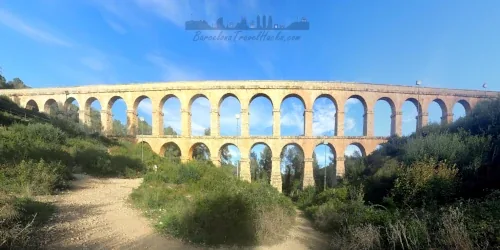 TRAIN + BUS
5.3k views
Tarragona Roman Aqueduct – Pont del Diable & Les Ferreres
Explore the Les Ferreres Aqueduct, Tarragona’s Pont del Diable, with a scenic park, viewpoints and a walkable upper channel. Includes access details, transport and tips
Read more >
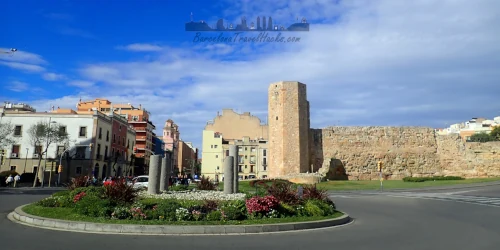 TRAIN
TRAIN
3.4k views
Tarragona Roman Circus & Praetorium – History, Tickets & Hours
Explore Tarragona’s Roman Circus and Praetorium: opening hours, ticket options, history and tips for visiting these major MHT sites within the UNESCO archaeological ensemble of Tarraco
Read more >
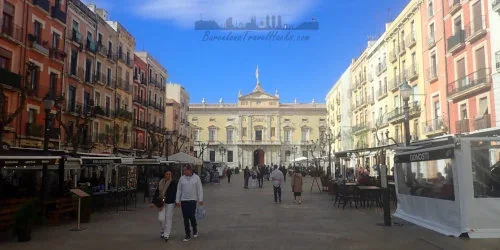 TRAIN
TRAIN
3.1k views
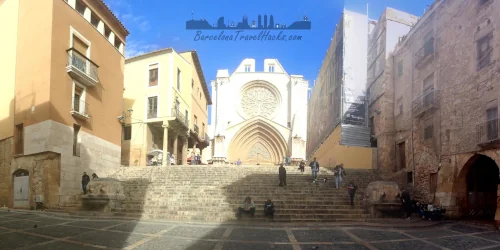
Tarragona Part Alta – Roman & Medieval Historic City Centre Walk
Explore Tarragona’s Part Alta, the Roman and medieval walled historic centre. A walking route through ancient squares, city gates, Jewish quarter streets and cathedral surroundings
Read more >
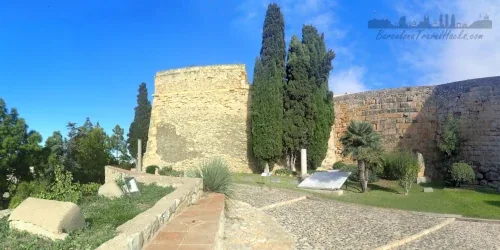 TRAIN
TRAIN
3.1k views
Tarragona Roman Wall & Gardens – Archaeological Walk Guide
Walk Tarragona’s Roman Wall and Gardens: ancient towers, scenic viewpoints, landscaped paths and historic fortifications. Includes opening hours, tickets and visitor tips
Read more >
 TRAIN
TRAIN
2.9k views
Tarragona Cathedral Guide – Cloister, Museum & Visitor Info
Discover Tarragona Cathedral with access to the cloister, Diocesan Museum, Roman foundations and gardens. Find opening hours, ticket prices and visitor guidance
Read more >
 TRAIN
TRAIN
2.3k views
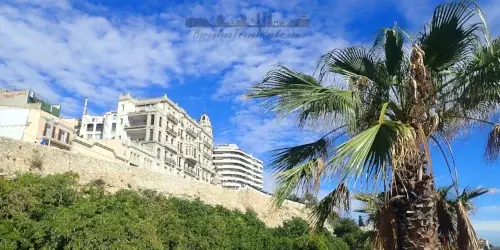
Tarragona Mediterranean Balcony – Sea Views & Historic Promenade
Visit the Balcó del Mediterrani, Tarragona’s iconic viewpoint overlooking the coast, port and Roman Amphitheatre. A scenic Rambla Nova walk with monuments and palm‑lined views
Read more >
 TRAIN
TRAIN
1.8k views
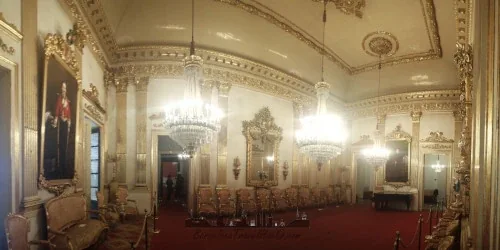
Casa Canals Tarragona – Neoclassical Noble House & MHT Museum
Explore Casa Canals, an 18th‑century neoclassical noble house built into Tarragona’s Roman wall. Visit the grand ballroom, chapel, garden and temporary exhibitions in the Part Alta
Read more >
 TRAIN
TRAIN
1.6k views
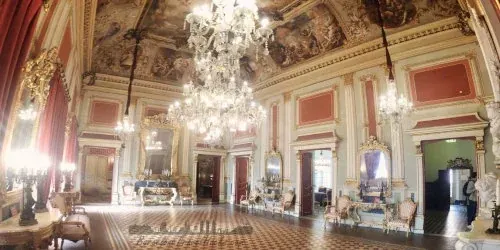
Casa Castellarnau Tarragona – Noble House, Ballroom & MHT Museum
Explore Casa Castellarnau, a medieval‑to‑18th‑century noble house on Carrer Cavallers with a neoclassical ballroom, Gothic courtyard and Roman‑wall remains. Part of the MHT museum network
Read more >
 TRAIN
TRAIN
1.5k views