 Car
Car
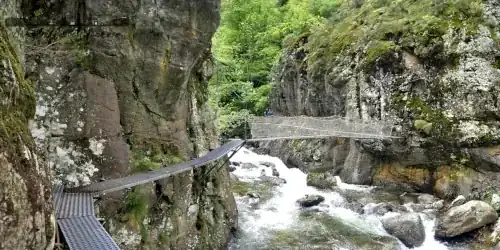
Address: La Route des Gorges, 66800 Llo, France



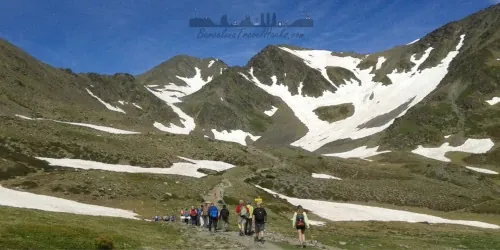
The Regional Park of the Catalan Pyrenees, known in French as the Parc naturel régional des Pyrénées catalanes, is a spectacular mountain region in southern France bordering Spain and the principality of Andorra. Its landscapes rise from gentle foothills at three hundred metres to rugged peaks reaching nearly three thousand metres above sea level.
The park is divided into three distinct districts — Capcir (Le Capcir), Cerdanya (La Cerdagne) and Alto‑Conflent (Le Haut‑Conflent) — covering a total of 1,371 km² and home to just twenty‑three thousand inhabitants across sixty‑four towns and villages. Each district has its own character: Capcir is a high‑mountain plateau of forests, lakes and snow‑covered summits; Cerdanya is a wide, sunlit valley of grazing herds, meadows and winter snows; and Alto‑Conflent, closest to the Mediterranean, is shaped by terraced valleys, orchards and historic irrigation canals.
This region is an ecological sanctuary with more than 240 protected species and a long tradition of renewable energy. You’ll find the Lac des Bouillouses hydro‑electric plant, the Themis solar power station, the impressive Odeillo solar furnace and geothermal activity from natural hot springs — all set within pristine mountain scenery.
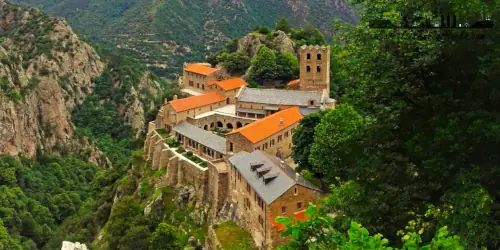
The Parc naturel régional des Pyrénées catalanes is equally rich in cultural heritage. Romanesque and Baroque churches dot the valleys, while the fortified towns of Mont‑Louis and Villefranche‑de‑Conflent — masterpieces of Vauban’s military architecture — are now UNESCO World Heritage Sites. Running through the heart of the park from Latour‑de‑Carol to Villefranche‑de‑Conflent is the iconic 1910 narrow gauge railway known as the Yellow Train, a 63‑kilometre scenic route serving twenty‑two stations and offering one of the most memorable journeys in the Pyrenees.
Click on any of the images below to explore each attraction in detail, including maps, weather information and accommodation recommendations.
Happy Exploring!
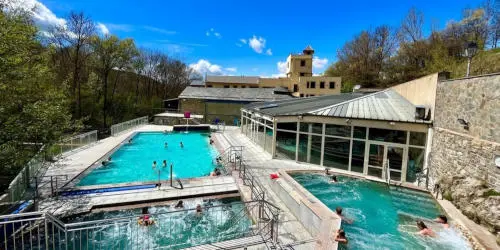
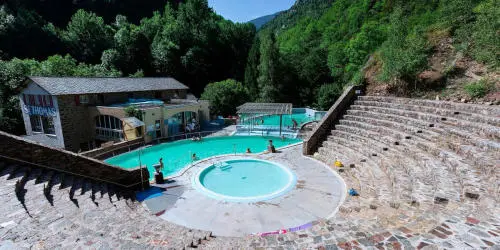
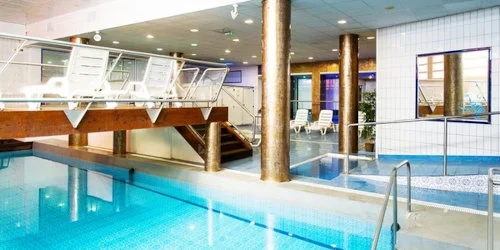
The French Eastern Pyrenees region is famous for the many natural springs of sulphurous water on which several thermal bath complexes have been built.
Car
 Car
Car
 Car
Car
 CAR
CAR
 CAR
CAR
 CAR
CAR
 CAR
CAR