


Please sign in with Google to view the map.
Sign in with GoogleGran Teatre del Liceu: Barcelona’s Historic Opera House
Explore the Gran Teatre del Liceu—Barcelona’s iconic opera house founded in 1837, rebuilt in 1999, and home to legendary performances. Discover its history, architecture, and how to visit
Views:
3.2k
About Gran Teatre del Liceu
The Gran Teatre del Liceu, located on La Rambla, is one of Europe’s most prestigious opera houses and Catalonia’s cultural crown jewel. Often compared to London’s Covent Garden or Milan’s La Scala, the Liceu has hosted the world’s greatest voices in classical music—from Luciano Pavarotti and Montserrat Caballé to Maria Callas and Plácido Domingo.
Founded in the 19th century, the theatre has endured fires, political upheaval, and even a bombing, yet remains a symbol of Barcelona’s artistic resilience. Today, it continues to stage world-class operas, concerts, and cultural events in a beautifully restored venue that blends historic grandeur with modern technology.
Gran Teatre del Liceu History
- 1837: A musical conservatory was founded by the National Militia in the former Montsió monastery (now Portal del Àngel), premiering its first show on 21 August.
- 1838: A theatre school was added, forming the Liceo Filarmónico Dramático Barcelonés to rival Madrid’s conservatory.
- 1844: Joaquim De Gispert i Anglí secured the site of the former Trinitarios monastery on La Rambla for the new theatre.
- 1845: Construction began under architect Miquel Garriga i Roca, later completed by Josep Oriol Mestres i Esplugas.
- 1847: The theatre opened on Easter Sunday with a mixed program; the first opera, Anna Bolena, followed on 17 April.
- 1855: The owners’ society took full control, and the Liceu became Europe’s largest opera house, seating up to 3,500.
- 1861: A fire destroyed the original hall and stage. Reconstruction was funded by shareholders and completed in one year.
- 1893: An anarchist attack during Guillaume Tell killed 20 people. The theatre reopened in 1894 after a period of mourning.
- 1939: Nationalised during the Spanish Civil War, the Liceu was later returned to its owners under Franco’s regime.
- 1980: After the death of Joan Antoni Pàmias, the Catalan government formed a consortium to preserve and fund the theatre.
- 1994: A second fire devastated the building. Reconstruction began under Ignasi de Solà-Morales and team, with performances held in venues like Palau de la Música Catalana.
- 1999: The new Liceu reopened on 7 October, faithfully restored and equipped with cutting-edge stage technology.
Image Gallery For Gran Teatre del Liceu
Click on any of the 3 images to open full screen gallery player. Note that viewing images is subject to our Fair Use Policy.
Visiting Gran Teatre del Liceu
While guided tours of the Gran Teatre del Liceu were previously available—offering access to the auditorium, lounges, and backstage—the theatre currently only allows public entry for ticketed performances. To explore the venue, visitors must attend a live show. For upcoming events and subscription options, check the “What’s On” and “Subscriptions” sections on the official Liceu website.
Below is an overview of the main spaces within the theatre that visitors can experience during a performance:
Entrance Foyer
The Entrance Foyer welcomes guests with marble floors, gilded columns, and elegant lighting. This space sets the tone for the theatre’s grandeur and is often used for pre-show gatherings. The foyer retains its 19th-century charm while offering modern amenities such as ticket counters, cloakrooms, and accessibility services.
Main Staircase
Leading from the foyer to the upper levels, the Main Staircase is a visual centerpiece of the theatre. Flanked by ornate balustrades and historic portraits, it offers a dramatic ascent into the heart of the building. The staircase is often photographed by visitors for its architectural beauty and theatrical ambiance.
Auditorium
The Auditorium is the crown jewel of the Liceu. With seating for up to 3,500 guests, it’s one of the largest opera halls in Europe. The horseshoe-shaped layout ensures excellent acoustics and sightlines. Rich red velvet, gold leaf detailing, and a magnificent ceiling fresco create a regal atmosphere. The stage is equipped with state-of-the-art technology, allowing for world-class productions.
Hall of Mirrors (Saló dels Miralls)
Located on the first floor, the Hall of Mirrors is a lavish lounge used for intermissions and private events. Its mirrored walls, chandeliers, and frescoed ceiling evoke the elegance of 19th-century salons. Historically, this space was a hub for Barcelona’s cultural elite and remains a highlight for visitors attending performances.
Foyer Lounge
The Foyer Lounge offers a more contemporary setting for socializing before and after shows. It’s often used for press events, receptions, and informal gatherings. With modern furnishings and ambient lighting, it provides a contrast to the historic grandeur of the rest of the theatre.
Backstage & Technical Areas
Previously included in extended guided tours, the Backstage area reveals the inner workings of the theatre. This includes dressing rooms, set storage, and the complex rigging systems that support productions. While currently closed to the public, these areas showcase the technical sophistication behind each performance.
Accessibility & What to Bring
The Gran Teatre del Liceu is committed to accessibility and offers several services to ensure a comfortable experience for all guests:
- Wheelchair Access: Step-free entry is available via the main entrance on La Rambla. Accessible seating can be reserved when booking tickets.
- Elevators: Elevators connect all public floors, including the auditorium, lounges, and restrooms.
- Assistance Services: Staff are available to assist guests with mobility needs. It’s recommended to notify the theatre in advance for personalized support.
- Accessible Restrooms: Located near the foyer and auditorium entrances.
Bicycle Parking: There are anchorage points near the Liceu Metro station exit. However, bicycle theft is common in this area, so secure your bike with a high-quality lock and avoid leaving it unattended for long periods.
What to Bring:
- Valid ID: Required for ticket collection and some concession rates.
- Printed or Digital Ticket: Ensure your ticket is ready for scanning at the entrance.
- Smartphone: Useful for navigating the area, checking showtimes, or accessing the theatre’s app.
- Comfortable Footwear: The theatre has marble floors and staircases—comfortable shoes are recommended.
- Dress Code: While formal attire is not mandatory, smart-casual is encouraged for evening performances.
Gran Teatre del Liceu Summary of Prices
Train/Bus Fare
Entry Ticket
Additional Information
Train/Bus Fare
Entry Ticket
Additional Information
Adult
Zone 1 T-casual
€ 19.00
Child
€ 1.25
FREE
For under 10 years
Notes
Special discounts for retirees, students, children and subscribers. Book Guided tour by Email.
Getting to Gran Teatre del Liceu
Address: Gran Teatre del Liceu, La Rambla 51–59, Barcelona, 08002
The theatre is centrally located on La Rambla, making it easily accessible by public transport. The nearest TMB Metro station is Liceu on the Green Line (L3), with exits just steps from the theatre entrance.
For convenient travel, use a T-Casual card for single journeys or the Hola Barcelona Travel Card for unlimited metro and bus access during your stay.
The theatre is within walking distance from Plaza Catalunya, Gothic Quarter, and other central landmarks.
Map for Gran Teatre del Liceu
Weather for Gran Teatre del Liceu
Where to stay near Gran Teatre del Liceu
Nearby Attractions to Gran Teatre del Liceu
 METRO
METRO
5.4k views
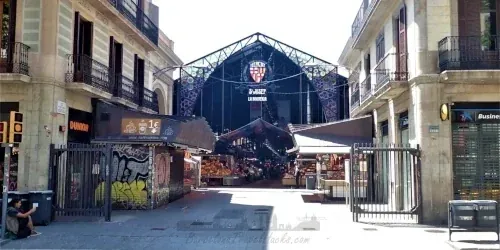
La Boquería Market: Barcelona’s Historic Food Haven on La Rambla
La Boquería: Barcelona’s oldest and most iconic fresh produc food market. Sizzling tapas, and vibrant stalls nestled off La Rambla in the heart of the Raval district
Read more >
 METRO
METRO
3.8k views
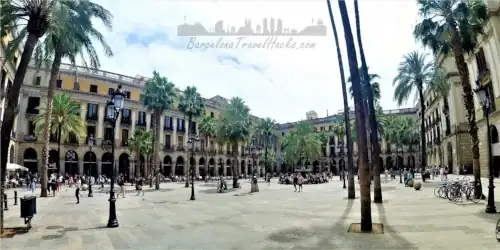
Plaça Reial: Gaudí Lamp Posts & Nightlife in Barcelona
Historic square in the Gothic Quarter with Gaudí lamp posts, lively bars, restaurants, and the Font de les Tres Gràcies fountain. Built on a former monastery site
Read more >
 METRO
METRO
3.6k views
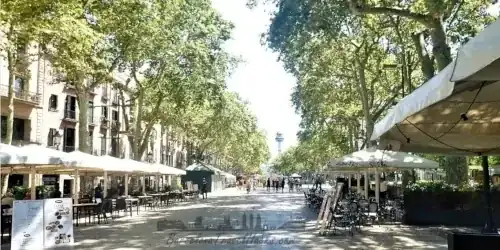
Las Ramblas: Living Statues, Artisan Markets & Historic Fountains
Discover Las Ramblas, Barcelona’s iconic pedestrian boulevard with living statues, flower stalls, pop-up artisan markets, mosaics, and historic fountains
Read more >
 METRO
METRO
3.5k views
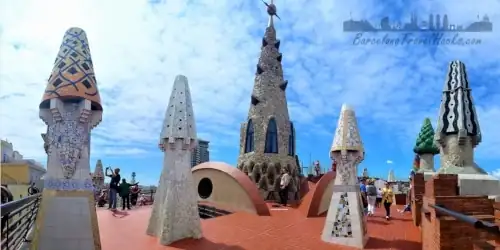
Palau Güell: Gaudí’s Castle-Style Mansion in Las Ramblas
Visit Palau Güell, Gaudí’s medieval-style mansion in Las Ramblas. Explore all floors of this UNESCO-listed museum. Tickets, hours, and tour info available
Read more >
 METRO
METRO
3.1k views