


Please sign in with Google to view the map.
Sign in with GoogleLas Ramblas: Living Statues, Artisan Markets & Historic Fountains
Discover Las Ramblas, Barcelona’s iconic pedestrian boulevard with living statues, flower stalls, pop-up artisan markets, mosaics, and historic fountains
Views:
3.6k
About Las Ramblas
This page is specifically about Las Ramblas, also known as La Rambla, Barcelona's famous walking street. For a list of attractions in or near to Las Ramblas visit las Ramblas Boulevard page.
las Ramblas History
Las Ramblas was an old open brook that ran alongside the outer walls of the old city. Over time as the city grew and was expanded to include what is now the Raval Neighbourhood this brook became a busy throughfare. In the 1500s The brook was submerged and paved over and trees planted to make what is now the modern day Rambla.
- La Rambla is actually five streets in succession from plaza Catalunya to Torre Colòn. Collectively know as La Rambla, they form the 1.2km long boulevard:
- La Rambla de Canaletes
- La Rambla dels Estudis
- La Rambla de Sant Josep
- La Rambla dels Caputxins
- La Rambla de Santa Monica
- La Rambla de Canaletes
- La Rambla dels Estudis
- La Rambla de Sant Josep
- La Rambla dels Caputxins
- La Rambla de Santa Monica
This is why the terms las Ramblas and la Rambla can be used interchangeably. Las Ramblas refers to the five sections that make up La Rambla.
This page focuses exclusively on Las Ramblas—Barcelona’s iconic tree-lined pedestrian boulevard—not the surrounding attractions. For a curated list of nearby sights, visit the Las Ramblas Attractions Guide.
Historically, Las Ramblas was a seasonal stream running along the city’s medieval walls. In the 1500s, it was paved over and transformed into a public promenade. Today, it stretches 1.2 km from Plaza Catalunya to Torre Colom at the port, dividing the Gothic Quarter from El Raval.
La Rambla is actually five connected sections:
Collectively, they form what locals call Las Ramblas, though La Rambla is also commonly used. Each section has its own character and features, making the boulevard a dynamic experience from end to end.
Image Gallery For Las Ramblas
Click on any of the 31 images to open full screen gallery player. Note that viewing images is subject to our Fair Use Policy.
What to See on Las Ramblas
Las Ramblas is more than just a walkway—it’s a living showcase of Barcelona’s street culture and local commerce. Here’s what you’ll find along the boulevard itself:
Living Statues
At the southern end of Las Ramblas, near Torre Colom and Drassanes Metro station, you'll encounter a rotating cast of living statues. These street performers dress in elaborate costumes—ranging from mythical creatures to historical figures—and stand perfectly still until a donation is made. Once tipped, they often strike a pose or interact for a photo. Dragon Man is a local favorite, known for his dramatic wings and fiery flair. These performers add a theatrical touch to the boulevard and are a must-see for first-time visitors.
Pop-Up Markets
Just beyond the living statues, around Drassanes, you'll often find pop-up artisan markets. These temporary stalls showcase handmade jewelry, leather goods, purses, figurines, and other crafts. While not permanent fixtures, they appear frequently—especially on weekends and during festivals. It's a great spot to pick up a unique souvenir or chat with local makers about their work.
Drassanes Pop-Up Market Hours
- Weekdays: 11:00h – 19:00h (varies by vendor and weather)
- Weekends: 10:00h – 20:00h (more stalls and foot traffic)
- Festival Days (e.g. La Mercè, Easter): Extended hours, often 10:00h – 22:00h with live music or performances nearby
- Rainy Days: Market activity is minimal or absent
- Winter Months: Fewer stalls, typically weekends only
These stalls are informal and not part of a regulated market, so hours can fluctuate. For the most vibrant experience, visit on sunny weekend afternoons or during city festivals.
Monumento a la Familia Santpere
Located on La Rambla dels Caputxins, near the entrance to Santa Mònica cultural centre, the Monumento a la Familia Santpere is a unique tribute to a family of performers who left a lasting mark on Catalan theatre and comedy. Unlike traditional statues, this monument takes the form of a circular bench with intricately carved bronze reliefs embedded into the backrest.
The carvings depict theatrical masks, stage scenes, and symbolic references to the Santpere family's contributions to the performing arts. The most famous member, Mary Santpere, was a beloved comedic actress known for her expressive style and warm humor, but the monument honors the entire lineage of artists who shaped Barcelona’s cultural identity.
Visitors often sit on the bench to rest or take photos, making it both a functional and commemorative piece of public art. It’s a quiet homage nestled among the bustle of Las Ramblas, offering a moment of reflection on the city’s rich theatrical heritage.
Flower & Seed Stalls
From Liceu Metro up to Plaza Catalunya, Las Ramblas is lined with colorful flower and seed stalls. These kiosks sell fresh-cut flowers, potted plants, and packets of seeds for vegetables, herbs, and blooms. The scent of jasmine and roses fills the air, adding a sensory layer to your stroll. Many vendors offer advice on planting and care, making this a charming stop for garden lovers and curious tourists alike.
Statue of Frederic Soler (Pitarra)
Located on La Rambla dels Caputxins, near the entrance to Teatre Principal, the Statue of Frederic Soler, better known by his pen name Pitarra honors one of Catalonia's most influential playwrights and poets. Installed in 1906, the statue commemorates Soler’s contributions to Catalan literature and theatre during the 19th century.
Frederic Soler was a driving force behind the revival of Catalan-language theatre, founding the Teatre Català and writing over 100 plays. His works often blended satire, social commentary, and local humor, earning him a lasting place in Barcelona’s cultural identity.
The statue depicts Soler seated with a book in hand, gazing thoughtfully toward the boulevard. At its base, you’ll find a bronze relief of theatrical masks and inscriptions referencing his most famous works. It’s a quiet tribute nestled among the bustle of Las Ramblas, and a meaningful stop for anyone interested in Catalan arts and history.
News stands
Along the Rambla de Canaletes section, you'll find traditional newsstands selling local and international newspapers, magazines, and postcards. These kiosks are a nod to old Barcelona, when print media was the main source of news. Today, they still serve commuters and tourists looking for a quick read or a keepsake. Some even stock niche publications and foreign-language editions.
Joan Miró Mosaic
Outside Liceu Metro station, embedded in the pavement, is a striking Joan Miró mosaic. Created by the renowned Catalan artist, this circular design features bold colors and abstract shapes that reflect Miró’s signature style. Often overlooked by hurried pedestrians, it’s worth pausing to admire this piece of public art—one of the few Miró works you can walk across.
Font Pla de la Boqueria
Just beside the Joan Miró mosaic near Liceu Metro station, you’ll find the Font Pla de la Boqueria, a striking neoclassical wall fountain that often escapes the notice of passersby. Installed in 1830, this fountain marks the site of the former Santa Eulàlia city gate, once part of Barcelona’s medieval walls. Its presence reflects the city’s transition from a fortified medieval town to a modern urban center.
The fountain is carved from Montjuïc stone and marble and features three expressive sculpted faces framed by stylized lion manes, each acting as a water spout. Above them sits the coat of arms of Barcelona, flanked by symbols of Hercules, the mythological founder of the city. A carved stone shell crowns the fountain, giving it a shrine-like appearance that blends functionality with classical artistry.
Though modest in scale, Font Pla de la Boqueria is a meaningful piece of Barcelona’s urban heritage. It still flows with drinking water. Its proximity to the Miró mosaic creates a unique juxtaposition of old-world symbolism and modernist art—making this corner of Las Ramblas a microcosm of the city’s layered identity.
Font de la Portaferrissa
Located at the junction of La Rambla and Carrer de la Portaferrissa, the Font de la Portaferrissa is a decorative drinking water fountain that marks the site of one of the old gates in Barcelona’s medieval city wall. The name “Portaferrissa” comes from the “iron door” that once stood here, serving as a key entrance into the fortified city.
The fountain itself is built into the wall and features a tiled mural depicting a pastoral scene of the Catalan countryside, framed by stone columns and topped with a small basin and spout. It was installed in the 18th century and remains one of the most charming and photogenic fountains in the city.
Canaletes Fountain
At the top of Las Ramblas, near Plaza Catalunya, stands the historic Canaletes Fountain. Legend says that anyone who drinks from this fountain is destined to return to Barcelona. It’s also a traditional gathering point for FC Barcelona fans after big wins. Surrounded by benches and shaded by trees, it’s a perfect spot to rest, people-watch, and soak in the energy of the city’s most famous street.
Las Ramblas is a sensory experience—colorful, noisy, and always changing. It’s not about ticking off attractions, but soaking in the atmosphere of Barcelona’s most famous street.
Where to Eat in Las Ramblas
La Rambla dels Caputxins (between Drassanes and Liceu) is lined with restaurants catering to tourists. While many are overpriced and underwhelming, there are a few exceptions worth trying. For curated recommendations, visit the Las Ramblas Restaurants Guide.
Is Las Ramblas Safe?
Las Ramblas is a bustling tourist zone and a known hotspot for pickpockets. To stay safe:
- Keep bags zipped and close to your body.
- Never leave belongings unattended—even for a moment.
- Secure phones and wallets in inner pockets or bags.
Don’t let petty theft ruin your visit—stay alert and enjoy the street’s energy without worry.
Accessibility & What to Bring
Las Ramblas is a flat, pedestrian-only street with no access restrictions except during special events like parades. It’s wheelchair-friendly, though crowded at peak times.
Bicycle anchorage points are available near Liceu Metro, but theft is common—keep your bike in sight or use a high-security lock.
Bring a small bag, water bottle, and camera. No tickets are needed—just curiosity and good walking shoes.
Las Ramblas Summary of Prices
Train/Bus Fare
Entry Ticket
Additional Information
Train/Bus Fare
Entry Ticket
Additional Information
Adult
Zone 1 T-casual
FREE
Child
€ 1.25
FREE
Notes
Public boulevard.
Getting to Las Ramblas
Address: La Rambla, Barcelona, 08002
Las Ramblas runs from Plaza Catalunya to Torre Colom at the port. It’s served by three TMB Metro stations on the Green Line (L3):
- Drassanes – for the port and living statues
- Liceu – for flower stalls and the Miró mosaic
- Plaza Catalunya – for the Canaletes fountain and upper Ramblas
Use a T-Casual card or the Hola Barcelona Travel Card for unlimited metro access.
Map for Las Ramblas
Weather for Las Ramblas
Where to stay near Las Ramblas
Nearby Attractions to Las Ramblas
 METRO
METRO
5.4k views
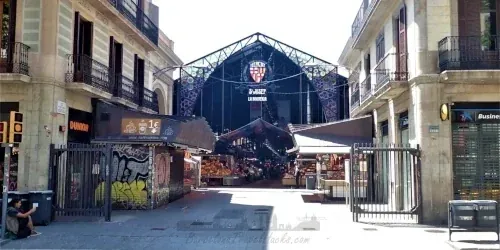
La Boquería Market: Barcelona’s Historic Food Haven on La Rambla
La Boquería: Barcelona’s oldest and most iconic fresh produc food market. Sizzling tapas, and vibrant stalls nestled off La Rambla in the heart of the Raval district
Read more >
 METRO
METRO
3.6k views
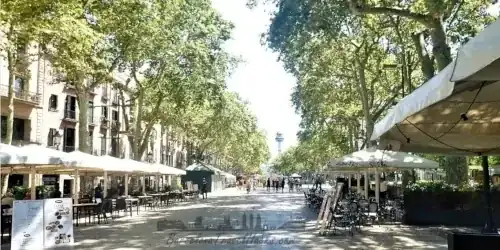
Las Ramblas: Living Statues, Artisan Markets & Historic Fountains
Discover Las Ramblas, Barcelona’s iconic pedestrian boulevard with living statues, flower stalls, pop-up artisan markets, mosaics, and historic fountains
Read more >
 METRO
METRO
3.5k views
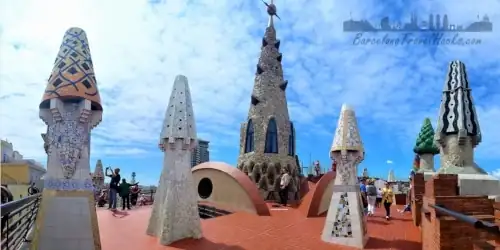
Palau Güell: Gaudí’s Castle-Style Mansion in Las Ramblas
Visit Palau Güell, Gaudí’s medieval-style mansion in Las Ramblas. Explore all floors of this UNESCO-listed museum. Tickets, hours, and tour info available
Read more >
 METRO
METRO
3.2k views
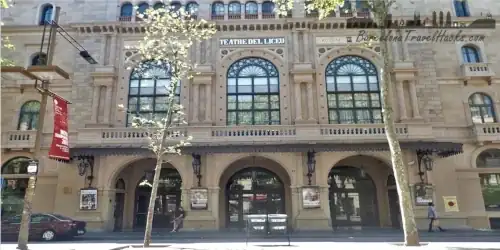
Gran Teatre del Liceu: Barcelona’s Historic Opera House
Explore the Gran Teatre del Liceu—Barcelona’s iconic opera house founded in 1837, rebuilt in 1999, and home to legendary performances. Discover its history, architecture, and how to visit
Read more >
 METRO
METRO
3.1k views