


Please sign in with Google to view the map.
Sign in with GoogleFuneral Carriages Museum – Montjuïc Cemetery Barcelona
Explore historic funeral carriages in Montjuïc Cemetery. Free museum, notable burials, and walking routes through Barcelona’s most serene cemetery
Views:
3.1k
About the Funeral Carriages Museum in Montjuïc Cemetery
The Montjuïc Cemetery Funeral Carriages Museum, or Museu de Carrosses Fúnebres, is one of the most unique and overlooked hidden museums in Barcelona. Located within the grounds of the historic Montjuïc Cemetery, this museum houses one of the finest collections of funeral carriages and hearses in Europe, offering a rare glimpse into the evolution of funeral customs in Barcelona from the 18th to the 20th century.
Often searched as Funeral Museum Barcelona or Historic Funeral Carriages Museum, this site is managed by Cementiris de Barcelona and is part of the city’s effort to preserve its rich funerary heritage. The museum’s collection includes horse-drawn hearses, accompanying mourning carriages, and early motorized funeral vehicles, each reflecting the social and artistic values of their time.
Montjuïc Cemetery itself is the second oldest cemetery in Barcelona, after Poblenou Cemetery. Opened in 1883, it was built to accommodate the city’s growing population during the industrial boom. Today, it serves as both an active burial site and a historic cemetery with architectural significance, featuring elaborate tombs, sculptures, and tree-lined paths that make it one of the most serene cemeteries in Barcelona.
Whether you're interested in funeral history, cemetery architecture, or simply looking for unusual things to do in Barcelona, the Funeral Carriages Museum offers a quiet, contemplative experience that’s unlike any other in the city.
History of the Funeral Carriages Museum & Cemetery
The rise of funeral carriage vehicles in Barcelona began in the 18th century, driven by rapid urban expansion during the industrial revolution. As burials moved from churches to dedicated cemeteries outside the city, the need for transportation led to the creation of ornate horse-drawn hearses.
Montjuïc Cemetery opened on March 17, 1883 to accommodate the growing population. In the 1970s, municipal cemetery manager Cristóbal Torra began preserving these obsolete vehicles, forming the basis of today’s museum. Originally housed in the Sancho d'Avila funeral building, the collection moved to its current location in 2012.
Today, the museum is a rare example of a funeral carriages collection open to the public, and a true hidden gem in Montjuïc.
Image Gallery For Historic Funeral Carriages museum & Montjuïc Cemetery
Click on any of the 88 images to open full screen gallery player. Note that viewing images is subject to our Fair Use Policy.
Visiting Historic Funeral Carriages museum Montjuïc Cemetery
The Montjuïc Cemetery Funeral Carriages Museum features a remarkable collection of over 20 historic funeral carriages and early motorized hearses, each representing different eras, social classes, and artistic styles. From the ornate Gothic and Estufa carriages to the minimalist Araña and White Carriages, the museum offers a rare glimpse into Barcelona’s funeral traditions and the evolution of funeral transport in Spain.
Visitors can explore vehicles like the Grand Doumont, once used for high-profile burials in Madrid, and the Buick Riviera, a luxury American hearse retired during the fuel crisis. The museum also includes mourning family carriages and the striking Viuda Negra, used exclusively for widows and immediate family members.
After touring the museum, guests are encouraged to take a self-guided walk through the historic Montjuïc Cemetery, one of the most architecturally significant cemeteries in Barcelona. The cemetery is an open-air museum of funerary art, featuring elaborate tombs, mausoleums, and sculptures that reflect Catalan modernism and neoclassical design.
Notable Catalan Figures Buried in Montjuïc Cemetery
Here are some of the prominent individuals interred here, whose graves are marked by elaborate monuments:
- Joan Miró – Renowned surrealist painter and sculptor, known for his influence on modern art.
- Isaac Albéniz – Composer and pianist, famous for works like “Iberia” that shaped Spanish classical music.
- Francesc Cambó – Politician and philanthropist, key figure in Catalan nationalism.
- Santiago Rusiñol – Painter, writer, and dramatist, central to Catalan modernism.
- Enric Prat de la Riba – First president of the Mancomunitat de Catalunya, buried in a grand mausoleum.
- Ramón Godó Lallana – Count of Godó and founder of the newspaper La Vanguardia.
- Josep Maria de Sagarra – Poet and playwright, influential in 20th-century Catalan literature.
- Antonio Gaudí – While not buried here, his collaborators and patrons are commemorated in Montjuïc.
- Funeral Carriages Museum: Saturday & Sunday 10:00 am to 2:00 pm
- Montjuïc Cemetery: Monday to Sunday 08:00 am to 6:00 pm
Each of these graves is marked by stunning stonework, sculptures, and epitaphs that reflect the legacy of the individual and the artistic trends of their time. The cemetery’s layout includes tree-lined paths and panoramic views of the sea, making it one of the most serene and culturally rich cemeteries in Barcelona.
Tip: Pick up a free walking map at the museum exit to follow curated routes through the cemetery’s most historic sections.
Montjuïc Cemetery Funeral Carriages Museum Opening Hours
Accessibility & What to bring to the Museum & Cemetery
The Montjuïc Cemetery Funeral Carriages Museum is fully accessible for visitors with mobility needs. The museum entrance has ramp access, and the interior includes a gently sloped ramp leading to the mezzanine level, making it suitable for wheelchair users and visitors with strollers. If you're searching for accessible museums in Barcelona, this hidden gem offers a smooth and quiet experience.
The surrounding Montjuïc Historic Cemetery is built on a hillside and features multiple terrace levels connected by steps and paved roads. While some areas may be challenging for those with limited mobility, many of the main paths are walkable and offer stunning views of the sea and city. It’s one of the most scenic cemeteries in Barcelona for a reflective stroll.
There are drinking fountains inside the cemetery, but if you plan to explore the full grounds, it’s best to bring at least one liter of water—especially in warmer months. Comfortable walking shoes are essential, as the terrain includes cobblestones, slopes, and shaded paths.
For this activity, I recommend a small daypack or 10L museum rucksack to carry water, a camera, and any printed maps or guides. While there’s no dress code, please avoid beachwear or overly casual clothing. This is an active cemetery with mourners, so respectful attire is appreciated—think modest, neutral clothing suitable for quiet reflection.
If you're looking for quiet places to visit in Barcelona or non-touristy cultural experiences, this museum and cemetery offer a peaceful escape from the city’s bustle.
Guided tour of Montjuïc Historic Cemetery
Powered by
GetYourGuide
Historic Funeral Carriages museum Montjuïc Summary of Prices
Train/Bus Fare
Entry Ticket
Additional Information
Train/Bus Fare
Entry Ticket
Additional Information
Adult
Zone 1 T-casual
FREE
Child
€ 1.25
FREE
Notes
CLosed except on Saturday & Sunday 10:00h to 14:00h.
Free Entry?
Free Entry Saturday & Sunday 10:00h to 14:00h.
Getting to Historic Funeral Carriages museum Montjuïc Cemetery
Address: Carrer de la Mare de Déu de Port 56, Barcelona, 08038
The Montjuïc Cemetery Funeral Carriages Museum is located within the grounds of Cementiri de Montjuïc, and is accessible by both metro and bus:
By Metro: The nearest station is Foc (L10 Sud – light blue line). From there, it’s a pleasant 1km walk to the museum entrance. Use a T-Casual or Hola Barcelona travel card for unlimited travel.
By Bus: Bus 21 runs daily and stops directly outside the cemetery entrance at Mare de Déu de Port. It connects with Paral·lel and El Prat, making it ideal for visitors coming from central Barcelona. Bus 107 operates only on Saturdays, Sundays, and public holidays, with limited hours. It serves the cemetery from Pg. Can Tunis to Pg. del Migdia.
Map for Historic Funeral Carriages museum Montjuïc Cemetery
Weather for Historic Funeral Carriages museum Montjuïc Cemetery
Where to stay near Historic Funeral Carriages museum Montjuïc
Nearby Attractions to Historic Funeral Carriages museum Montjuïc
 METRO+BUS
9.5k views
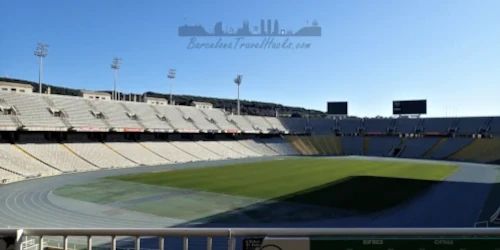
Estadi Olímpic Lluís Companys – FC Barcelona Stadium
Visit FC Barcelona’s temporary stadium in Montjuïc. Olympic history, concerts, tours, and match-day access at Estadi Olímpic Lluís Companys
Read more >
 METRO
METRO
3.9k views
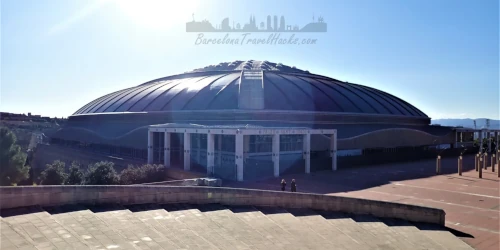
Palau Sant Jordi & Montjuïc Olympic Park Concert Venue
Explore Palau Sant Jordi in Montjuïc Olympic Park. 1992 Olympic arena, concerts, and the iconic Telefonica needle tower. Access, events & architecture
Read more >
 METRO
METRO
3.6k views
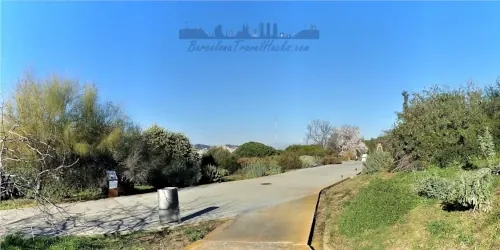
Barcelona Botanical Gardens | Montjuïc Nature & Bonsai
Explore Barcelona’s Montjuïc Botanical Gardens. Discover bonsai trees, Mediterranean plants, cactus trails, and spring flowers with city views
Read more >
 METRO
METRO
2.8k views
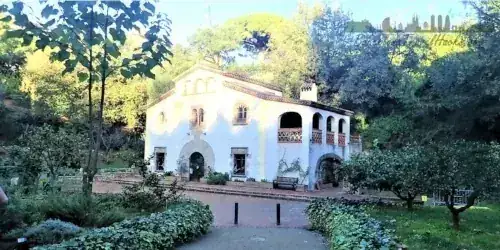
Montjuïc Historic Botanic Garden | Sensorial Garden Barcelona
Explore Barcelona’s first botanical garden in Montjuïc. A sensorial garden in a former quarry with rare plants, free entry, and peaceful nature walks
Read more >
 METRO
METRO
2.7k views