


Please sign in with Google to view the map.
Sign in with GoogleMuseu Frederic Marès – Barcelona's Sculpture & Collector’s Museum
Explore Museu Frederic Marès in Barcelona’s Gothic Quarter. Discover religious art, carved sculptures, and rare collectibles in a historic royal palace
Views:
2.7k
About Museu Frederic Marès – Sculpture, Collectibles & Catalan Heritage
The Museu Frederic Marès is one of the most distinctive historic museums in Barcelona, located in the heart of the Gothic Quarter inside the Palau Reial Major, the former royal palace of the Counts of Barcelona. This Gothic Centre museum is a hidden gem for lovers of religious art, stone sculptures, and rare collectibles.
Founded by Frederic Marès — a prolific Catalan Modernism sculptor — the museum houses his vast personal collection of carved sculptures and everyday objects. Marès, who lived from 1893 to 1991, was not only a celebrated artist but also a passionate collector of cultural artifacts. His legacy lives on in this remarkable collections museum, which he gifted to the city of Barcelona.
The museum’s lower floors focus on religious sculpture from the 3rd to 19th centuries, including Gothic crucifixes, Virgin Mary statues, and Baroque altarpieces. These galleries make it one of the most important sculpture museums in Barcelona.
On the upper levels, the Gabinet del Col·leccionista (Collector’s Cabinet) offers a fascinating look into bourgeois life in Barcelona through themed rooms filled with vintage objects: fans and umbrellas, smoking pipes, locks and keys, cameras, playing cards, toys, and more. This makes it a standout museum of everyday life and a favorite among those seeking a museum of curiosities in the city.
Marès’ own works are displayed in his Library-Study, alongside pieces he restored after the Spanish Civil War. His contributions to public art in Barcelona include sculptures in Plaça del Clot, Plaça Catalunya, and Montjuïc Castle.
Whether you're interested in Barcelona’s sculpture heritage, personal collections, or the intersection of art and daily life, the Museu Frederic Marès offers a deeply personal and visually rich experience in the heart of the Gothic Quarter.
Image Gallery For Frederic Marés Museum
Click on any of the 96 images to open full screen gallery player. Note that viewing images is subject to our Fair Use Policy.
Visiting Museu Frederic Marès – A Collector’s World Unfolds
Stepping into the Museu Frederic Marès feels like entering a time capsule curated by one man’s lifelong obsession with beauty, memory, and craftsmanship. The museum’s layout invites slow discovery.
Allow at least two hours to explore fully. The museum is quiet, rarely crowded, and ideal for those seeking a break from Barcelona’s more hectic attractions. Audio guides are available and highly recommended — they add depth to the experience, especially in the more eclectic rooms.
Entrance Courtyard – A Serene Gateway to the Collector’s World
Your visit to the Museu Frederic Marès begins in a tranquil, tree-lined courtyard that once formed part of the Palau Reial Major. This peaceful space, shaded by orange and olive trees in terracotta pots, offers a moment of calm before stepping into the museum’s labyrinth of collections. The stone-paved ground, arched porticoes, and historic façades evoke the quiet dignity of medieval Barcelona.
Benches line the walls for those who want to pause and absorb the atmosphere, while soft lighting and greenery create a contemplative mood. It’s not just an entrance — it’s a transition from the bustling Gothic Quarter into Frederic Marès’ private universe. This courtyard is also a popular spot for photography, especially in the early morning when the light filters through the trees and casts gentle shadows across the stone tiles.
Look for the green information panel near the archway — it introduces the museum’s layout and themes, helping you orient yourself before diving into the sculptural and collector zones. The courtyard sets the tone: quiet, reflective, and deeply personal — just like the museum itself.
Basement Level – Romanesque Architecture & Funerary Art
The basement of the Museu Frederic Marès is a striking contrast to the upper floors — darker, cooler, and steeped in solemnity. This level houses the museum’s most monumental works: Romanesque portals, stone sarcophagi, and medieval funerary effigies that evoke the spiritual and artistic gravity of centuries past.
One of the highlights is a fully reconstructed Romanesque church portal, complete with archivolts, sculpted capitals, and a tympanum depicting biblical scenes. It’s a rare opportunity to stand before an architectural fragment that once welcomed worshippers into sacred space — now preserved as a testament to Barcelona’s religious heritage.
Nearby, rows of carved stone capitals line the walls, each adorned with foliage, mythical beasts, or human figures. These elements once crowned columns in churches and cloisters, and now offer insight into the decorative language of medieval Catalonia.
The funerary section is especially evocative. You’ll find effigies of knights in repose, their hands clasped in prayer, surrounded by heraldic shields and Latin inscriptions. The tomb of Otto, Comes Bellericensis, with its sculpted boars, lions, and coats of arms, is a standout piece of medieval funerary art and a favorite among visitors interested in historic sculpture.
Other sarcophagi feature reclining nobles, religious figures, and symbolic carvings that reflect beliefs about death, resurrection, and legacy. The atmosphere here is reverent and immersive — ideal for those drawn to Romanesque architecture, Christian iconography, and the artistry of remembrance.
First Floor – Religious Sculpture & Iconography
The first floor of the Museu Frederic Marès immerses visitors in a stunning collection of religious art spanning the Romanesque, Gothic, and Renaissance periods. This level is dedicated to Christian iconography, with an emphasis on wood-carved sculptures and painted altarpieces that once adorned churches and chapels across Catalonia.
As you ascend the stone staircase from the courtyard, you’re greeted by a corridor flanked with ornate columns and niches housing saints, apostles, and biblical figures. The lighting is intimate, casting dramatic shadows that enhance the expressive features and flowing garments of each sculpture.
Highlights include a powerful Crucifixion scene carved in high relief, with ladders flanking Christ and mourners gathered below. Nearby, a gilded altarpiece features a central figure of Christ flanked by saints, framed by Corinthian columns and cherubs — a masterpiece of Baroque religious sculpture.
Other standout pieces include:
- A dynamic sculpture of Archangel Michael triumphing over a dragon, symbolizing the victory of good over evil.
- A radiant Madonna and Child surrounded by a mandorla of angelic faces, representing divine protection.
- A carved triptych altarpiece with scenes from the life of Christ and the Virgin Mary, rich in color and detail.
- A rare depiction of Adam and Eve with the serpent offering the forbidden fruit — a vivid portrayal of original sin.
- Figures of Saint John the Evangelist accompanied by his symbolic eagle, including one reclining with an open book inscribed with Latin scripture.
This floor also features a variety of wooden reliquaries, papal effigies, and sculptures of saints in prayer or blessing poses. Each room is arranged thematically, allowing visitors to trace the evolution of religious symbolism and craftsmanship across centuries.
Whether you're drawn to the spiritual themes, the artistry of carved sculptures, or the historical context of ecclesiastical art, the first floor offers a deeply moving and visually rich experience. It’s a must-see for anyone interested in Barcelona’s religious heritage and the legacy of sacred art.
Second Floor – Collector’s Rooms of Bourgeois Life
The second floor of the Museu Frederic Marès is a labyrinth of themed rooms that reflect Frederic Marès’ passion for preserving the everyday objects of 19th- and early 20th-century bourgeois life in Barcelona. These rooms are immersive, intimate, and brimming with charm — each one a tribute to the artistry and culture of domestic life.
Among the highlights are the smoking pipe room, with hundreds of ornate pipes displayed in tiered glass cabinets, and the keys and locks room, where antique keys, lock mechanisms, and decorative chests are arranged like jewelry. The arms and armor room showcases crossbows, flintlock pistols, swords, and shields, offering a glimpse into the evolution of personal defense and ceremonial weaponry.
Equally captivating are the rooms dedicated to ceramics and glassware:
- The crockery room features intricately patterned plates and bowls, many with animal motifs, floral designs, and mythological scenes. These pieces are arranged against rich red backdrops that highlight their craftsmanship.
- The china room displays delicate porcelain vases, urns, and serving dishes, some gilded and others painted in traditional blue-and-white Catalan styles. The variety ranges from rustic pharmacy jars to refined tableware.
- The glassware room is a glittering showcase of goblets, pitchers, and decorative vessels, many with gold leaf accents and enamel detailing. These items reflect the elegance of bourgeois dining and ceremonial presentation.
Other rooms explore domestic and civic life through collections of:
- Vintage cameras and early photographic equipment
- Medals, insignias, and badges from civic and military institutions
- Religious relics, embroidered samplers, and ceremonial headdresses
- Apothecary jars with Latin inscriptions and blue floral motifs
- Decorative lockboxes and ornate chests with intricate ironwork
Each room is curated with a collector’s eye for detail and storytelling. The lighting is warm, the floors are tiled or polished wood, and the display cases are crafted from dark timber, creating a timeless atmosphere. These rooms celebrate the artistry of everyday life and the emotional resonance of objects passed down through generations.
Whether you're drawn to Barcelona’s museum of curiosities, bourgeois memorabilia, or the beauty of historic domestic collections, the second floor offers a playful, nostalgic, and deeply human experience.
Attic – Frederic Marès Library & Sculptural Legacy
The attic of the Museu Frederic Marès is a quiet sanctuary that houses the artist’s personal library-study, surrounded by a curated selection of his own sculptural works. This space feels more like a private retreat than a museum gallery — with warm wooden beams, wraparound bookshelves, and natural light pouring in from skylights above.
At the heart of the attic is a monumental wood-carved mural that spans an entire wall. The scene, carved in deep relief, depicts a ceremonial procession of mounted figures in flowing robes and plumed hats. Horses stride forward with regal poise, while the figures exude movement and grandeur. It’s a masterwork of wood sculpture and storytelling, and one of the most impressive pieces in the museum — a tribute to Marès’ skill and vision.
Nearby, a trio of bronze deer sculptures rest gracefully on a shared base. Their poses are naturalistic yet stylized, with alert expressions and elegant antlers. The grouping evokes a sense of calm and unity, and is often cited by visitors as one of the museum’s most memorable pieces. These sculptures reflect Marès’ sensitivity to form and his ability to capture emotion in stillness.
The rest of the attic features a rotating selection of Marès’ own works, including nude studies, portrait busts, and symbolic figures in marble, bronze, and plaster. The setting — with its mezzanine of books and framed sketches — offers insight into the sculptor’s creative process and intellectual world.
For those interested in Catalan Modernism, Barcelona sculpture heritage, or the personal legacy of Frederic Marès, the attic is a must-see. It’s a quiet, contemplative space that brings you closer to the artist than any other part of the museum.
Attic – Children’s Toys, Games & Mechanical Curiosities
One of the most enchanting corners of the Museu Frederic Marès is tucked away in the attic: a room dedicated to children’s toys, mechanical games, and vintage entertainment devices from the 19th and early 20th centuries. These spaces offer a nostalgic glimpse into the world of childhood, filled with charm, craftsmanship, and curiosity.
Glass cabinets line the walls, showcasing rows of antique dolls dressed in period clothing — bonnets, boots, and lace-trimmed dresses — alongside miniature wooden furniture like cribs, desks, and wardrobes. Each doll is unique, and the collection reflects the evolution of toy-making and domestic play across generations.
In the center of the room, a large mechanical game table draws attention with its intricate metal rods, levers, and glass-covered mechanisms. It resembles an early pinball machine or automaton, and is surrounded by shelves of mechanical figurines and clockwork toys — many of which still move when wound.
Other highlights include:
- A penny-farthing bicycle with its oversized front wheel, representing early mobility and engineering
- A beautifully preserved phonograph with a carved wooden horn, showcasing the beginnings of recorded sound
- Display cases filled with miniature games, puzzles, and educational toys used in bourgeois households
The parquet floors, sloped wooden ceilings, and warm lighting create a cozy, attic-like atmosphere that enhances the sense of discovery. This section of the museum is especially popular with families, historians, and anyone fascinated by the evolution of play and domestic life.
Whether you're drawn to historic toys, mechanical curiosities, or the artistry of miniature craftsmanship, the attic’s toy rooms offer a whimsical and deeply human experience — a celebration of imagination across generations.
Frederic Marès Museum Free Entry
- 1st Sunday of each month: 11:00h to 20:00h
- Every Sunday afternoon: 15:00h to 20:00h
- Santa Eulalia: 12th of February
- Corpus Christi: Variable date
- International Museum Day: 18th of May
- La Mercè: 24th of September
Frederic Marès Museum Opening Hours
- Tuesday to Saturday: 10:00h to 19:00h
- Sunday: 11:00h to 20:00h
Accessibility & What to Bring
Museu Frederic Marès is fully accessible to visitors with reduced mobility. An elevator connects all public floors, and pathways are wide enough to accommodate wheelchairs and mobility aids. Museum staff are helpful and accustomed to assisting guests with accessibility needs, making this a welcoming space for all.
There is a locker room on the ground floor where you can store small personal items. However, large rucksacks, suitcases, and oversized bags will not fit and are not permitted inside the museum. To avoid being turned away, bring only a compact daypack or handbag.
Bicycles are not recommended in this part of the Gothic Quarter. There are no secure anchorage points outside the museum, and theft risk is high in the surrounding area. If you're cycling, consider parking at a secure bike station elsewhere and walking the final stretch.
To get the most out of your visit, bring headphones for the museum’s audio guide app. It offers rich commentary on key pieces and rooms, especially in the sculpture and collector zones. A charged phone and comfortable shoes are also essential — this museum rewards slow exploration.
Tickets for Frederic Marés Museum
The Barcelona Card: 25+ Museums and Free Public Transportation ticket includes entry to the Frederic Marés Museum.
Powered by
GetYourGuide
Frederic Marés Museum Summary of Prices
Train/Bus Fare
Entry Ticket
Additional Information
Train/Bus Fare
Entry Ticket
Additional Information
Adult
Zone 1 T-casual
€ 4.20
16-29 years, Over 65, 2.40 Euros
Child
€ 1.25
FREE
For under 16 Years
Group/Family Ticket?
See Website.
Notes
Free Sundays 15h - 20h.
Free Entry?
1st Sunday of every month, Every Sunday from 15:00h, 12th February, 18th May & 25th September
Getting to Museu Frederic Marès
Address: Plaça de Sant Iu, 5, Barcelona, 08002
The museum is located in the heart of the Gothic Quarter, just to the left of the Barcelona Cathedral on Carrer dels Comtes. The entrance is tucked into the quiet square of Plaça de Sant Iu, making it easy to miss — but well worth the detour.
The nearest TMB Metro station is Jaume I on the Yellow Line (L4). From there, it’s a short walk through winding medieval streets. If you're using public transport, we recommend a T-Casual card for occasional travel or the Hola Barcelona Travel Card for unlimited rides during your stay.
Due to the museum’s central location, walking is often the best way to arrive — especially if you're exploring nearby landmarks like Plaça del Rei, Barcelona Cathedral, or Plaça Sant Felip Neri. The area is pedestrian-friendly but cobbled, so wear comfortable shoes.
Documents for Frederic Marés Museum
Map for Frederic Marés Museum
Weather for Frederic Mares Museum
Where to stay near Frederic Marés Museum
Nearby Attractions to Frederic Marés Museum
 METRO
METRO
6.8k views
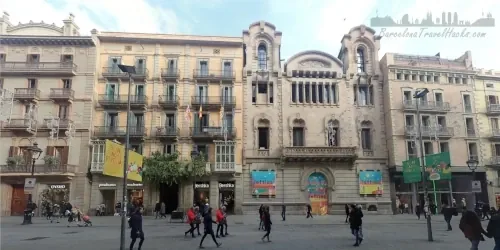
Portal del Ángel – Barcelona’s Trendiest Shopping Street
Barcelona’s most popular fashion street for global brands, streetwear, and festive lights. Shop late, snap pics, and explore history in the Gothic Quarter
Read more >
 METRO
METRO
3.6k views
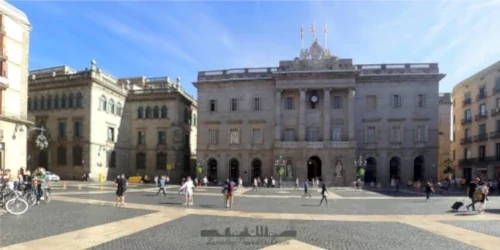
Barcelona Town Hall & Plaça Sant Jaume Guide
Explore Barcelona’s administrative heart at Plaça Sant Jaume, home to the City Hall and Generalitat Palace. Free guided tours of the historic City Hall interior available
Read more >
 METRO
METRO
3.3k views
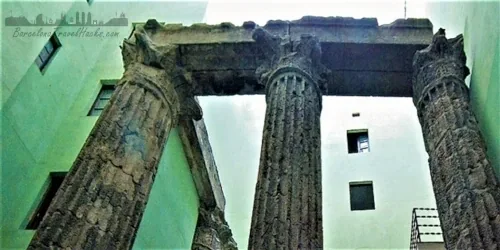
MUHBA Temple of Augustus – Hidden Roman Columns
2000-Year-Old Roman Temple ruins in Barcelona. Hidden Gothic courtyard with towering columns from ancient Barcino. Free to visit and rich in Roman heritage
Read more >
 METRO
METRO
3.3k views
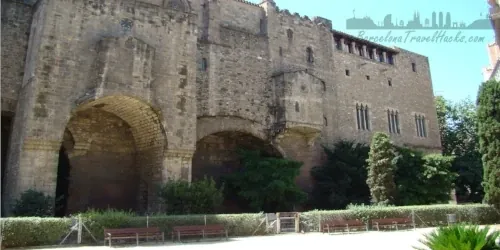
Barcelona Roman Wall | Gothic Quarter Walking Route
Explore Roman wall remains of ancient Barcino in Barcelona’s Gothic Quarter, from Plaça Ramon Berenguer III to the Sea Gate at Plaza dels Traginers
Read more >
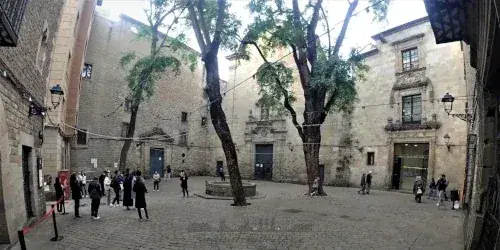 METRO
METRO
3.1k views
Plaça Sant Felip Neri – Baroque Church, Fountain & Civil War History
Discover Plaça Sant Felip Neri, a hidden Gothic Quarter square with a baroque church scarred by Civil War bombings, a peaceful fountain, and historic guild buildings
Read more >
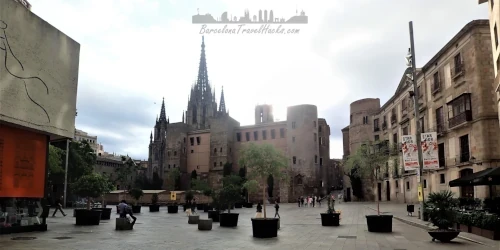 METRO
METRO
2.9k views
Barcelona Cathedral | Gothic Landmark in the Heart of El Gòtic
Visit Catedral de Barcelona in the Gothic Quarter. Discover cloisters, rooftop views, Santa Eulàlia’s crypt, and centuries of Gothic architecture and history
Read more >
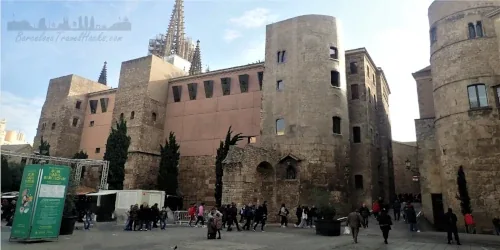 METRO
METRO
2.8k views
Casa de la Ardiaca – Hidden Gem & Photo Spot in Barcelona
Scenic courtyard, rooftop views & modernist mailbox. A Gothic hidden gem beside the cathedral with archives, Roman walls & wedding-worthy photo spots
Read more >
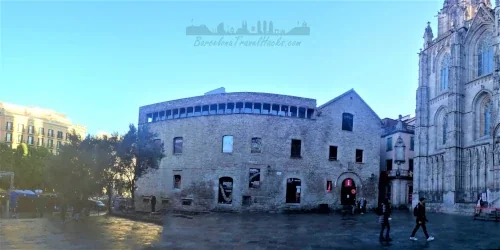 METRO
METRO
1.5k views