
Collioure, France – Côte Vermeille Art Town with Beaches & Forts
Explore Collioure on the Côte Vermeille — a seaside art town loved by Matisse, Derain and Picasso, with beaches, fortresses and vibrant backstreets
Views:
2.5k
About Collioure Beach Town in France
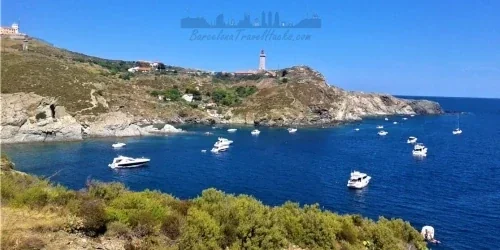
Collioure is a French‑Catalan coastal gem on the Côte Vermeille, a sun‑drenched stretch of Mediterranean shoreline just north of the Spanish border. Once part of the Kingdom of Aragon, the town blends Catalan soul with French elegance — a place where pastel houses, fishing boats and medieval fortresses sit beneath a backdrop of terraced vineyards and sea‑carved cliffs.
Artists have been drawn here for centuries. Known as the City of Painters, Collioure’s soft light and vivid colours inspired Matisse, Derain, Picasso and generations of modernist painters. Today the town is alive with creativity, home to more than 30 art galleries and boutique studios tucked into narrow cobbled lanes.
Collioure’s historic harbour is the heart of the town — a postcard scene of stone ramparts, a lighthouse‑tower church and the imposing Château Royal rising directly from the water. Seafront restaurants line the promenade, perfect for long lunches overlooking the bay. I always return to Chez Simone, a tiny tapas spot with terrace views of the castle and church. Their patatas bravas with smoked paprika sauce and a glass (or two) of local wine are irresistible.
Behind the waterfront lies El Barri de Moure, the old fishermen’s quarter. It’s a maze of colourful houses, hidden squares, art shops and tiny cafés — the kind of place where you wander slowly, discovering something beautiful at every turn.
Collioure works wonderfully as a long day trip or a relaxed weekend escape from Barcelona, especially by train. It’s close, easy to reach, and endlessly rewarding once you arrive.
Collioure Fortreses and historic attractions
- Château Royal Rising directly from the edge of the harbour, this medieval fortress is Collioure’s most iconic landmark. Built on the foundations of a Roman castrum and transformed between 1266 and 1344 into the residence of the Kings of Majorca, it later passed between Spanish and French hands before becoming a protected monument in 1922. Today you can wander its ramparts, explore vaulted halls and enjoy sweeping views over the bay — a perfect blend of history and Mediterranean scenery.
- Fort Saint Elme Perched high above the town, Fort Saint Elme offers one of the most spectacular 360‑degree panoramas on the Côte Vermeille. Inside, the fortress houses an impressive collection of Renaissance armour, helmets, halberds, cannons and Ottoman weapons once used along the Catalan coast. The 40‑minute walk up through terraced vineyards is part of the experience, rewarding you with unforgettable views as you climb.
- The Stone Windmill On the way to Fort Saint Elme, the path passes Collioure’s beautifully restored 14th‑century windmill. Originally used to grind grain, it fell into ruin in the 19th century before being restored in 2001. Today it presses olives to produce Collioure olive oil and sits beside a peaceful picnic area — a lovely stop on the walk up to the fort.
- Notre Dame des Anges Church Collioure’s postcard‑perfect church stands right beside Boramar Beach, instantly recognisable by its lighthouse‑turned‑bell‑tower rising from the sea. The original church once stood inside the Château Royal, but when the fortress was expanded, a new Gothic church was built using the old lighthouse tower as its bell tower. Inside, you’ll find a serene, atmospheric space that feels deeply connected to the town’s maritime past.
Collioure’s Artistic Soul – A Mediterranean Muse
Collioure has long been a magnet for artists, much like Sitges to the south and Cadaqués on the Costa Brava. All three towns share that unmistakable Mediterranean magic — bright light, colourful houses, and a creative energy that seems to rise from the sea itself.
In the early 20th century, Collioure became the cradle of Fauvism. Matisse and Derain painted side by side on the waterfront, captivated by the town’s vivid colours and shimmering light. Picasso also spent time along this coastline, drawn to the same atmosphere that shaped so much of his early work. If you want to follow that artistic thread back to Barcelona, you can explore his evolution at the Picasso Museum.
Today, the old fishermen’s quarter behind the seafront is Collioure’s creative heart — a labyrinth of cobbled lanes filled with art galleries, ateliers and boutique studios. More than 30 small galleries line these backstreets, each one offering something different: contemporary paintings, ceramics, handmade jewellery, and local crafts. It’s the perfect place to wander slowly, discover emerging artists, and take home a piece of Collioure’s artistic spirit.
Image Gallery For Collioure Beach Town in France
Click on any of the 91 images to open full screen gallery player. Note that viewing images is subject to our Fair Use Policy.
Visiting Collioure Beach Town in France
I’ve visited Collioure several times, and it’s a town that truly deserves at least a full day — or even better, a relaxed weekend — to explore its fortresses, beaches, harbour and old town.
Collioure Château Royal Opening Hours
Address: Quai de l'Amirauté, 66190 Collioure, France Location
- November to March: 10:00 am – 5:00 pm
- April to June: 10:00 am – 6:00 pm
- July to August: 9:30 am – 6:30 pm
Collioure Château Royal Prices
- General: €4
- Discoveries Pass (Catalan Country): €3
- Groups of 15+ people: €3.50 per person
- Free: 1st Sunday of the month from October to June; free for visitors under 26
Collioure Fort Saint Elme Opening Hours
Address: Sant Elme, 66190 Collioure, France Location
- 1st February to 31st March: 10:30 am – 5:00 pm
- 1st April to 30th September: 10:00 am – 7:00 pm
- 1st October to 11th November: 10:30 am – 5:30 pm
- Christmas holidays: 10:30 am – 6:30 pm
- Closed: 24th, 25th & 31st December; 1st January
Collioure Fort Saint Elme Prices
- Adult: €7
- Discoveries Pass: €5
- Ages 6–18: €3
- Students: €3
- Groups of 10+ people: €5 per person
Collioure Notre Dame des Anges Church Opening Hours
Address: 2 Pl. de l'Église, 66190 Collioure, France Location
- Typically open from 9:15 am – 4:30 pm
- Free entry (it is an active church rather than a formal tourist attraction)
The Stone Windmill is located beside a small picnic area and can be viewed from the outside. A barred gate allows you to look inside.
There is no option to buy tickets online for the fortresses — simply pay on arrival.
What to take with you for Collioure Beach Town in France
Large rucksacks or suitcases may need to be left at reception when visiting the fortresses.
Both Château Royal and Fort Saint Elme involve many stairs, uneven cobblestones and steep sections, making them challenging for visitors with reduced mobility or pushchairs. The seafront is flat and accessible, but the old town’s interior streets include ramps and steps.
Neither fortress offers an audio guide.
Organised Day trips to Collioure
Powered by
GetYourGuide
Powered by
GetYourGuide
Collioure Beach Town in France Summary of Prices
Train/Bus Fare
Entry Ticket
Additional Information
Train/Bus Fare
Entry Ticket
Additional Information
Adult
€ 42.00
€ 11.00
Students discounted
Child
€ 42.00
€ 6.50
Child rates discounted
Group/Family Ticket?
Group discounts available
Getting to Collioure Beach Town in France
Address: Place du 18 Juin, Collioure, France, 66190
By Train from Barcelona:
- Barcelona–Sants → Perpignan (1h 22m), then a 20‑minute SNCF local train to Collioure.
- Barcelona–Sants → Cerbère (France) on the R11 regional line (2h 37m), then a 15‑minute SNCF train to Collioure.
See the train map in the documents section for details.
By Car: Parking is available at the train station (Parking de la Gare) or in the town centre (Parking Le Glacis). Expect around €15 for 24 hours.
Documents for Collioure Beach Town in France
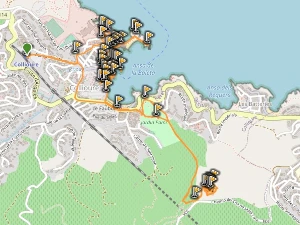
Wikiloc Trail for Collioure Beach Town in France
Please sign in with Google to view the Wikiloc Route map.
Sign in with Google