


Please sign in with Google to view the map.
Sign in with GoogleBorn Cultural Centre Barcelona | Ruins, Museum & Guided Tours
Explore 1714-era ruins beneath a 19th-century market at El Born Cultural Centre. Free entry, guided tours, and powerful stories of Barcelona’s past
Views:
3.1k
About Born Cultural Centre
The Born Cultural Centre (Centre de Cultura i Memòria del Born) is one of Barcelona’s most compelling historical sites — a fusion of 19th-century architecture and 18th-century ruins. Originally built in 1876 as the Mercat del Born, it was the city’s first cast-iron market hall and the largest of its kind in Europe at the time. Designed by Antoni Rovira i Trias, the market served as Barcelona’s wholesale hub for fruit and vegetables until 1971.
Today, the building houses a powerful memorial to the 1714 Siege of Barcelona and the repression that followed. Beneath its glass and iron roof lie the preserved ruins of the La Ribera medieval district, uncovered during renovations in 2002. These ruins — homes, streets, and workshops — were buried for centuries after being demolished to make way for the Citadel fortress.
The centre now offers a free exhibition space, archaeological walkways, and a museum dedicated to the War of the Spanish Succession and its impact on Catalonia. It’s a place to reflect, learn, and connect with Barcelona’s layered past.
History of the Born Cultural Centre & Mercat del Born
The story of the Born Cultural Centre is deeply tied to Barcelona’s turbulent past — from war and repression to architectural innovation and cultural revival.
- 1714: After the Siege of Barcelona, King Philip V ordered the demolition of much of the La Ribera district to build the Citadel fortress. Thousands of residents were displaced, and the land was flattened to allow cannon fire into the city.
- 1848: The Citadel was demolished by General Espartero, marking the beginning of Barcelona’s urban renewal.
- 1869–1872: Political liberalization allowed the fortress land to be repurposed. The area was transformed into Parc de la Ciutadella.
- 1873–1876: Architect Antoni Rovira i Trias designed and built the Mercat del Born, a cast-iron marvel that became Barcelona’s central food market. Unbeknownst to many, the ruins of the demolished Ribera neighborhood lay buried beneath its foundations.
- 1971: The market closed when wholesale operations moved to Mercabarna in the Zona Franca. The building fell into disrepair.
- 2002: Restoration work began to convert the market into a library. During excavations, archaeologists uncovered extensive medieval ruins — homes, streets, and workshops frozen in time.
- 2013: The site was reborn as the Born Cultural Centre, officially inaugurated on September 11. It now serves as a museum, memorial, and cultural venue dedicated to the memory of the 1714 siege and the lives of those who once lived in La Ribera.
Today, visitors walk above the ruins on elevated platforms, witnessing the layers of history that shaped Barcelona’s identity.
Image Gallery For Born Cultural Centre
Click on any of the 25 images to open full screen gallery player. Note that viewing images is subject to our Fair Use Policy.
Visiting Born Cultural Centre
The Born Cultural Centre offers one of the most moving historical experiences in Barcelona. Beneath the elegant iron-and-glass roof of the former Mercat del Born lies the preserved archaeological site of the La Ribera medieval district — a neighborhood that was razed after the 1714 Siege of Barcelona to make way for the Citadel fortress.
Visitors can explore the ruins from elevated walkways, which provide sweeping views of the foundations of homes, shops, and streets. These structures were deliberately cut down to less than a meter in height to allow cannon fire into the city — a chilling reminder of the repression that followed the War of the Spanish Succession.
The centre also features a permanent exhibition that chronicles the years 1700 to 1714, offering insight into the political and cultural upheaval that shaped Catalonia’s identity. Informational panels, maps, and multimedia displays help visitors understand the broader context of the ruins below.
Guided Tour of the Born Cultural Centre Ruins
While the elevated walkways offer a great overview of the archaeological site, I highly recommend the guided tour for a truly immersive experience. This tour takes you down to street level, where you can walk among the preserved ruins of the La Ribera medieval district — homes, shops, and alleyways frozen in time since the 18th century.
The guide is very knowledgeable and speaks excellent English, providing rich historical context and personal stories that bring the ruins to life. You’ll learn about daily life in pre-1714 Barcelona, the impact of the War of the Spanish Succession, and the repression that followed the city’s fall.
The tour lasts 90 minutes and includes access to the crockery museum and the lower archaeological zone. Tickets cost just 4 euros and can be purchased online or at the ticket office near the main entrance on Plaça Comercial.
- Guided tour in Catalan: Tuesday to Saturday at 11:30 am & 5:30 pm
- Guided tour in Spanish: Tuesday to Saturday at 12:30 pm & 4:30 pm
- Guided tour in English: Tuesday to Sunday at 4:00 pm
Tip: If you time your visit to end around sunset — 5:30 pm in winter, 8:30 pm in summer — the lighting inside the market hall creates a stunning atmosphere over the ruins. Check out the gallery section to see for yourself.
Centre de Cultura i Memòria Born Opening Hours
- Open: Tuesday to Sunday
- Hours: 10:00 am to 7:00 pm
- Closed: Mondays and public holidays
Entry to the exhibition space and elevated walkways is free of charge. Guided tours are available daily and can be booked online or at the entrance.
Accessibility & What to Bring
The Born Cultural Centre is generally accessible, with step-free entry from Plaça Comercial and a spacious interior on one level. Visitors using wheelchairs or mobility aids can comfortably explore the elevated walkways and exhibition areas.
However, please note that the guided tour of the archaeological ruins takes place at basement level, accessed via stairs. Due to the uneven cobbled surfaces of the ruins, this part of the site is not suitable for wheelchairs or strollers.
The surrounding streets in El Born are charming but narrow and often cobbled, so we recommend wearing comfortable walking shoes. A small daypack is useful for carrying water, a camera, and any personal items.
Bicycle anchorage points are available in the square directly in front of the Born Cultural Centre.
For convenience, the building offers a locker service at both entrances for storing backpacks, coats, and luggage during your visit.
Born Cultural Centre Summary of Prices
Train/Bus Fare
Entry Ticket
Additional Information
Train/Bus Fare
Entry Ticket
Additional Information
Adult
Zone 1 T-casual
FREE
Child
€ 1.25
FREE
Notes
Guided tours to ruins and exhibition rooms 4 Euros.
Free Entry?
Free Entry all year round to mezzanine ground floor. Closed Monday. Guided tours to ruins and exhibition rooms 4 Euros.
Getting to Born Cultural Centre
The Born Cultural Centre is located in Plaça Comercial, in the heart of the El Born neighborhood, just steps from the Santa María del Mar Cathedral.
- Nearest Metro: Arc de Triomf (L1 – Red Line), a 10-minute walk via Passeig de Lluís Companys
- Nearest Train: Estació de França (Renfe Rodalies & Regional), just 5 minutes away on foot
- By Bus: Several TMB bus lines stop nearby, including lines 39, 51, and H14
- By Car: Parkia El Born offers underground paid parking directly beneath Plaça Comercial
For unlimited travel across Barcelona, consider using a T-Casual card or the Hola Barcelona Travel Card.
Map forBorn Cultural Centre
Weather for Born Cultural Centre
Where to stay near Born Cultural Centre
Nearby Attractions to Born Cultural Centre
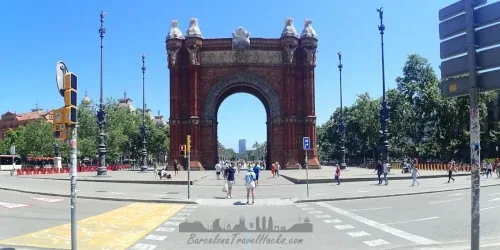 METRO
METRO
4.9k views
Arc de Triomf Barcelona & Passeig de Lluís Companys Guide
Discover Arc de Triomf, Barcelona’s iconic red brick arch from the 1888 World Fair, plus nearby landmarks along Passeig de Lluís Companys
Read more >
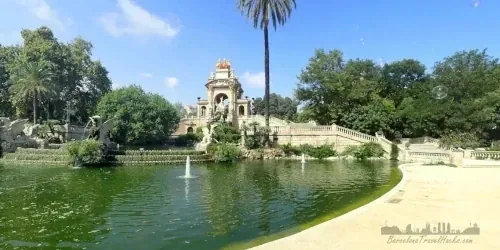 METRO
METRO
4.8k views
Parc de la Ciutadella: Fountain, Zoo & 1888 Expo Landmarks
Explore Parc de la Ciutadella in Barcelona: home to the golden chariot fountain, boating lake, zoo, and historic landmarks from the 1888 Universal Exposition
Read more >
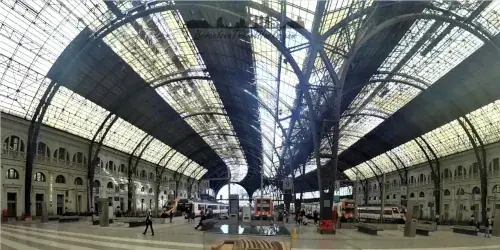 METRO
METRO
3.7k views
Estació de França | Barcelona’s Grand Historic Train Station
Elegant iron architecture, marble domes, and natural light define Estació de França — Barcelona’s most beautiful train station since 1929
Read more >
 METRO
METRO
3.3k views
Museu de la Xocolata – Barcelona Chocolate Museum & School
Discover the origins of chocolate in South America and its journey to Europe. Explore myths, medicinal uses, and traditions at Barcelona’s Chocolate Museum
Read more >
 METRO
METRO
3.3k views
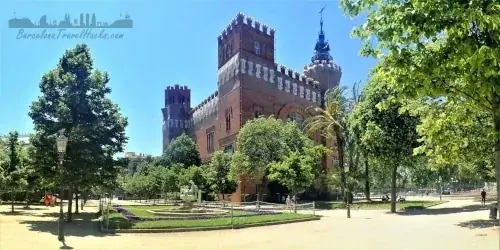
Castell dels Tres Dragons & Greenhouses – Ciutadella Park Barcelona
Explore the Three Dragons Castle and refurbished Hivernacle greenhouse in Ciutadella Park. Historic architecture, photo spots, and link to the new science museum
Read more >
 METRO
METRO
2.9k views
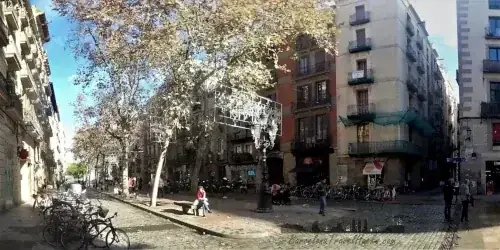
Passeig del Born | Historic Boulevard & Nightlife in El Born
Explore Barcelona’s medieval boulevard with cannonball history, boutique shopping, and top cocktail bars. From cathedral to market, day and night
Read more >
 METRO
METRO
2.8k views
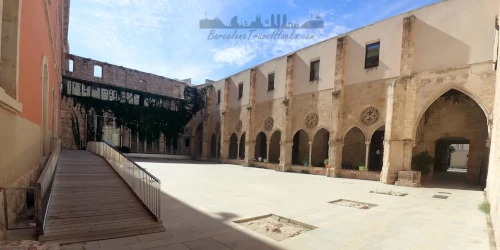
Sant Agustí Monastery Ruins & Civic Centre – Café & Courtyard
Historic monastery ruins turned civic centre and café in El Born. Discover a quiet courtyard, brunch spot, and links to the Citadel Fortress and Chocolate Museum
Read more >
 METRO
METRO
2.6k views