


Please sign in with Google to view the map.
Sign in with GooglePalau del Parlament de Catalunya - Catalonia Parliament
Former Arsenal of the Citadel fortress, one of the few surviving citadel buildings is now the Catalonia Parliament. Guided tours information
Views:
2.8k
About the Palau del Parlament de Catalunya
The Palau del Parlament de Catalunya, or Catalan Parliament Building, is located in the heart of Parc de la Ciutadella in Barcelona. Originally constructed as the arsenal of the Citadel Fortress, it is one of the few surviving structures from the 18th-century military complex built by King Felipe V after the War of Spanish Succession.
Designed by Flemish military engineer Jorge Próspero de Verboom, the Citadel Arsenal served as a key component of the fortress that once dominated the area now known as Ciutadella Park. Over the centuries, the building has undergone several transformations, reflecting the political and cultural shifts in Catalonia’s history.
In 1868, architect Pere Falqués converted the arsenal into a palace to host the Spanish royal family during the 1888 Barcelona Universal Exposition. It later became the Museum of Decorative and Archaeological Arts in 1900, before being repurposed in 1932 as the seat of the newly formed Parlament de Catalunya during the Second Spanish Republic.
Following the Spanish Civil War, the building reverted to military use and later housed the Museum of Modern Art. After Spain’s transition to democracy, it was reinstated as the official Parliament of Catalonia in 1979. Today, it remains a powerful symbol of Catalan identity and governance.
To learn more about the history of the Citadel Fortress and its remaining structures, visit the Parc de la Ciutadella page.
Historical Timeline of the Catalan Parliament Building
- 1716–1748: Designed by Flemish architect Jorge Próspero de Verboom as the Citadel Arsenal within King Felipe V’s fortress.
- 1868: After the fortress was dismantled, architect Pere Falqués transformed the arsenal into a palace to host the Spanish royal family during the 1888 Universal Exposition.
- 1900: Became the Museum of Decorative and Archaeological Arts, later relocated to Pedralbes Palace.
- 1932: With the Second Spanish Republic and Catalonia’s autonomy, the building was chosen as the seat of the Catalan Parliament.
- 1932–1936: Renovated by Santiago Marco, converting the throne room into the session chamber and replacing the Bourbon coat of arms with Catalonia’s emblem.
- 6 December 1932: First official session of the Catalan Parliament.
- 1936–1939: Spanish Civil War disrupts parliamentary activity.
- 1939: Building reverts to military use as barracks under Franco’s regime.
- 1945: Repurposed as the Museum of Modern Art.
- 1975: Death of Franco; Spain begins transition to democracy.
- 1977: Temporarily used by the Assembly of Parliamentarians.
- 1979: Officially reinstated as the seat of the Catalan Parliament.
- 2004: Museum of Modern Art collections moved to MNAC at Montjuïc.
Other Surviving Buildings from the Citadel Fortress
- Palau del Governador (Governor’s Palace): Originally part of the Citadel’s administrative complex, this historic building now serves as the Verdaguer Institute, a public school located within Ciutadella Park.
- Parròquia Castrense de la Ciutadella: This former military parish church was built to serve the spiritual needs of soldiers stationed at the fortress. Today, it remains a preserved example of Citadel-era religious architecture within Parc de la Ciutadella.
To explore more about the Citadel Fortress history and its transformation into Barcelona’s Parc de la Ciutadella, visit the Parc Cuitadella page.
Image Gallery for the Palau del Parlament de Catalunya
Click on any of the 8 images to open full screen gallery player. Note that viewing images is subject to our Fair Use Policy.
Visiting the Catalan Parliament in Parc de la Ciutadella
The Palau del Parlament de Catalunya is located inside Parc de la CiutadellaCitadel Fortress. From the outside, the building retains its historic military architecture, designed by Jorge Próspero de Verboom in the early 18th century.
Its structure features a cross-shaped ground plan with a central dome, two main storeys, and an attic. The façade is built from Montjuïc stone and terracotta tiles, and is adorned with busts of prominent Catalan artists — a legacy from its time as the Museum of Modern Art.
While the Catalan Parliament building is not open for casual public visits, guided tours are available by prior reservation through the official website. These tours offer a rare opportunity to explore the session chamber, view historical exhibits, and learn about the building’s transformation from Citadel Arsenal to the heart of Catalonia’s government.
Tour availability varies depending on parliamentary activity and demand, so it’s recommended to book well in advance.
Accessibility & What to bring
The Catalan Parliament is located within Parc de la Ciutadella, a flat and pedestrian-friendly park with gravel paths and no entry restrictions. The building itself is not open for casual visits, but guided tours may include access to interior areas depending on availability.
Bicycle Access: Bicycles are allowed in the park. The nearest bicycle anchorage is located in front of the Verdaguer Institute, which occupies the former Governor’s Palace.
What to Bring:
- Camera or smartphone: Ideal for capturing the building’s historic façade and nearby monuments.
- Comfortable shoes: Recommended for walking through the park and exploring nearby attractions.
- Water bottle and sun protection: Especially useful during warmer months.
Palau del Parlament de Catalunya Summary of Prices
Train/Bus Fare
Entry Ticket
Additional Information
Train/Bus Fare
Entry Ticket
Additional Information
Adult
Zone 1 T-casual
FREE
Child
€ 1.25
FREE
Group/Family Ticket?
See website.
Notes
Check website for english tours & prices.
Getting to Palau del Parlament de Catalunya
Address: Palau del Parlament de Catalunya, Parc de la Ciutadella, S/N, 08003 Barcelona
By Metro: Take the L1 (Red Line) to Arc de Triomf station. From there, it’s a short walk through Passeig de Lluís Companys into Parc de la Ciutadella.
By Train: Estació de França is nearby and served by Renfe Rodalies and Regional trains.
By Bus: Several TMB bus routes connect to the area, including stops near Barceloneta, El Born, and Eixample.
Parking: Saba Bamsa underground parking is located beneath Passeig de Lluís Companys.
Travel Tip: Use a T-Casual card for single journeys or a Hola Barcelona Travel Card for unlimited public transport during your stay.
Map for the Palau del Parlament de Catalunya
Weather for the Palau del Parlament de Catalunya
Where to stay near Palau del Parlament de Catalunya
Nearby Attractions to Palau del Parlament de Catalunya
 METRO
METRO
4.9k views
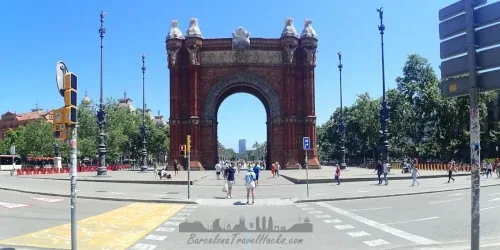
Arc de Triomf Barcelona & Passeig de Lluís Companys Guide
Discover Arc de Triomf, Barcelona’s iconic red brick arch from the 1888 World Fair, plus nearby landmarks along Passeig de Lluís Companys
Read more >
 METRO
METRO
4.8k views
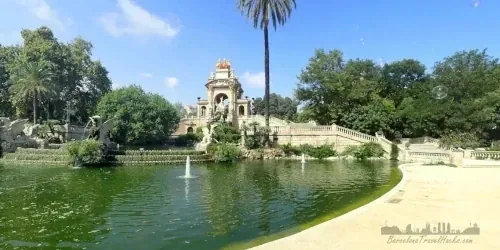
Parc de la Ciutadella: Fountain, Zoo & 1888 Expo Landmarks
Explore Parc de la Ciutadella in Barcelona: home to the golden chariot fountain, boating lake, zoo, and historic landmarks from the 1888 Universal Exposition
Read more >
 METRO
METRO
3.7k views
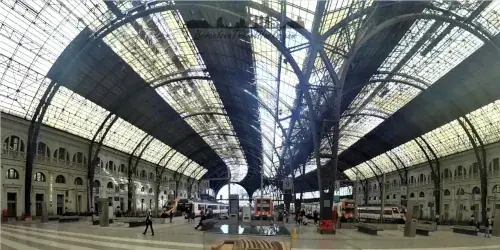
Estació de França | Barcelona’s Grand Historic Train Station
Elegant iron architecture, marble domes, and natural light define Estació de França — Barcelona’s most beautiful train station since 1929
Read more >
 METRO
METRO
3.3k views
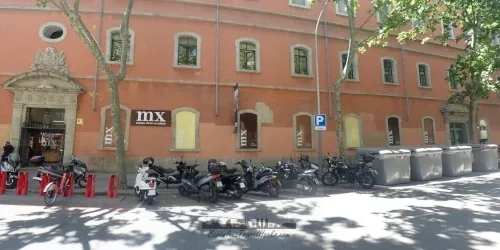
Museu de la Xocolata – Barcelona Chocolate Museum & School
Discover the origins of chocolate in South America and its journey to Europe. Explore myths, medicinal uses, and traditions at Barcelona’s Chocolate Museum
Read more >
 METRO
METRO
3.3k views
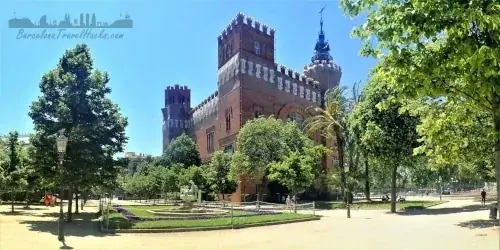
Castell dels Tres Dragons & Greenhouses – Ciutadella Park Barcelona
Explore the Three Dragons Castle and refurbished Hivernacle greenhouse in Ciutadella Park. Historic architecture, photo spots, and link to the new science museum
Read more >
 METRO
METRO
3.1k views
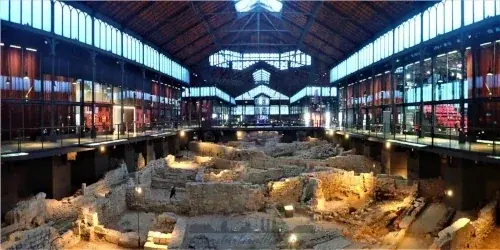
Born Cultural Centre Barcelona | Ruins, Museum & Guided Tours
Explore 1714-era ruins beneath a 19th-century market at El Born Cultural Centre. Free entry, guided tours, and powerful stories of Barcelona’s past
Read more >
 METRO
METRO
2.8k views
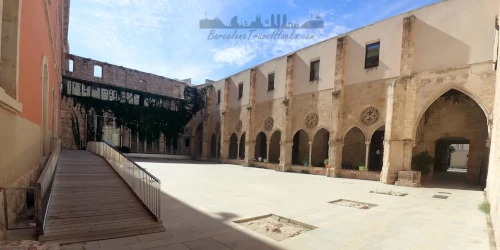
Sant Agustí Monastery Ruins & Civic Centre – Café & Courtyard
Historic monastery ruins turned civic centre and café in El Born. Discover a quiet courtyard, brunch spot, and links to the Citadel Fortress and Chocolate Museum
Read more >
 METRO
METRO
2.6k views