


Please sign in with Google to view the map.
Sign in with GoogleMontjuïc Cactus Garden | Succulent Park with Sea Views Barcelona
Discover Montjuïc’s hidden cactus garden near Miramar. Explore exotic succulents, panoramic city views, and one of Europe’s largest drought-tolerant collections
Views:
4k
About Montjuïc Mossèn Costa i Llobera Cactus Garden
The Mossèn Costa i Llobera Gardens, known locally as the Jardins de Mossèn Costa i Llobera, are often referred to as the Montjuïc Cactus Garden or Barcelona Cactus Park. Located near Miramar on Montjuïc hill, this hidden botanical garden in Barcelona spans 3.16 hectares and features one of Europe’s largest collections of low-water succulent plants.
This Montjuïc succulent garden showcases exotic species from desert, tropical, and high-altitude regions, including cacti, agaves, euphorbias, and Mediterranean trees. The garden’s unique microclimate and south-facing slope make it ideal for cultivating drought-tolerant plants.
Barcelona Cactus Gardens History
Inaugurated in March 1970, the garden was designed by architect Joaquim Maria Casamor i d'Espona and gardening expert Joan Pañella i Bonastre. It was created as a collaborative effort to adapt exotic species to Barcelona’s Mediterranean climate, with contributions from nurseries across Spain and Italy, including the renowned Pallanca collection.
Despite suffering frost damage in the winters of 1985 and 1987, which reduced the number of species by nearly 40%, the garden has been restored and revitalized. Recent refurbishments have improved access and reintroduced many lost plants, reaffirming its status as a must-visit cactus park in Barcelona with spectacular views of the coastline and port.
Image Gallery For Montjuïc Cactus Garden
Click on any of the 39 images to open full screen gallery player. Note that viewing images is subject to our Fair Use Policy.
Visiting Montjuïc Cactus Garden
The Mossèn Costa i Llobera Gardens, also known as the Montjuïc Cactus Park, are a free-entry public garden offering one of Europe’s largest collections of low water consumption plants. This succulent garden in Barcelona is ideal for nature lovers, photographers, and anyone seeking a peaceful escape with spectacular views of the city’s coastline and port.
Visitors can explore a wide variety of exotic species from desert and tropical regions, including barrel cacti, agaves, euphorbias, and Mediterranean trees. The garden’s unique microclimate and south-facing slope allow these plants to thrive year-round.
Whether you're interested in botany or simply looking for a scenic walk, the Montjuïc cactus garden offers a tranquil experience in one of Barcelona’s most secret gardens. It’s especially popular for its panoramic views and dramatic plant shapes that make it a favorite spot for landscape photography.
Species in the Montjuïc Cactus Garden (Jardins de Mossèn Costa i Llobera)
- Aloe ferox – A tall, spiky aloe native to South Africa.
- Aloe brevifolia – Known as “crocodile teeth,” a compact succulent with serrated leaves.
- Cylindropuntia rosea – Found in South Africa and Mexico, alongside African Aizoaceae and Australian Xanthorrhoea.
- Euphorbia resinifera – A Moroccan succulent resembling cacti, adapted to arid climates.
- Cereus jamac and Ferocactus glaucescens – Large barrel cacti from Mexico’s Queretaro region.
- Echinopsis santiaguensis – Native to South America, known for vibrant flowers and tree-like or balloon-shaped growth.
- Echinocactus – Wool-covered Mexican and U.S. cacti with bright yellow to purple-pink flowers, named for their sea urchin-like shape.
- Astrophytum myriostigma – Star-shaped cactus with striking yellow blooms.
- Ferocactus – Barrel-shaped cacti from California, Arizona, Nevada, and Mexico, resembling wine barrels in maturity.
- Mammillaria – One of the most diverse genera, with over 350 species forming tuberous shapes. Found in Mexico, the southern U.S., and the Caribbean.
- Euphorbia species – Tropical and subtropical succulents from Africa and Madagascar, forming dense cactus-like groves.
- Dracaena draco – The iconic dragon tree, gifted from a private Barcelona garden.
- Agave americana – Native to Mexico, now a staple of Mediterranean landscapes.
- Opuntia ficus-indica – Prickly pear cactus, common across the Mediterranean and Latin America.
- Ficus species – Found in Mediterranean and South American regions, including fig trees from Mexico, Peru, and Argentina.
- Mediterranean trees and shrubs – Includes carob (Ceratonia siliqua), olive (Olea europaea), bottle trees (Brachychiton populneus), Australian oaks (Grevillea robusta), and cow legs (Bauhinia grandiflora).
- Palms – 12 species including Phoenix dactylifera (date palm), Phoenix canariensis, Washingtonia filifera, Washingtonia robusta, and Europe’s only native palm, Chamaerops humilis.
Mossèn Costa i Llobera Gardens Opening Hours
- November 1st to March 31st: 10:00 am to 7:00 pm
- April 1st to October 30th: 10:00 am to 9:00 pm
Accessibility & What to bring to Montjuïc Cactus Garden
The Montjuïc Cactus Garden, also known as the Mossèn Costa i Llobera Gardens, offers step-free accessaccessible cactus garden in Barcelona for visitors with reduced mobility or families with strollers.
While the terrain is generally smooth, some areas may have uneven surfaces due to the garden’s hillside location. Visitors should wear comfortable shoes and be prepared for mild elevation changes.
There are no drinking water fountains inside this succulent park in Montjuïc, so bringing a water bottle is recommended—especially during warmer months. The garden is exposed to full sun and offers panoramic views of Barcelona’s coastline, making it a scenic but potentially warm walk.
Montjuïc Cactus Garden Summary of Prices
Train/Bus Fare
Entry Ticket
Additional Information
Train/Bus Fare
Entry Ticket
Additional Information
Adult
Zone 1 T-casual
FREE
Child
€ 1.25
FREE
Getting to Montjuïc Cactus Garden
Address: Carretera de Miramar 38, Barcelona, 08038
The Mossèn Costa i Llobera Gardens, also known as the Montjuïc Cactus Garden, are located near Miramar Montjuïc and are easily accessible by public transport or on foot. Use a T-Casual or Hola-Barcelona travel card for metro and bus services.
- Nearest Metro Stations: Drassanes or Paral·lel on the green (L3) line. From either station, walk uphill toward Miramar.
- Passatge de les Bateries Entrance: Follow this road to the end around a stone wall to find a gate into the garden.
- Plaça de l'Armada Entrance: From the Miramar Hotel and plaza near the Montjuïc to Port Cable Car, descend the old stone steps and bear right to reach the garden gate.
- Carretera de Miramar Entrance: A direct gate provides access from the main road.
Map for Montjuïc Cactus Garden
Weather for Montjuïc Cactus Garden
Where to stay near Montjuïc Cactus Garden
Nearby Attractions to Montjuïc Cactus Garden
 METRO
METRO
8.4k views
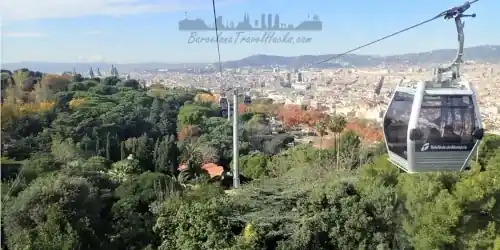
Montjuïc Cable Car & TMB Funicular – Reach the Castle with Views
Ride the Montjuïc Funicular from Paral·lel Metro, then soar via cable car to Montjuïc Castle. Scenic views, ticket info, and accessibility tips included
Read more >
 METRO
METRO
6.6k views
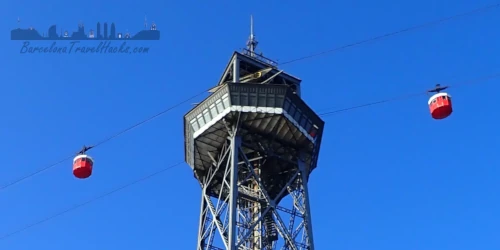
Barcelona Port Cable Car – Tickets, Hours & Views from Transbordador Aeri
Ride the Transbordador Aeri del Port cable car 1.3 km over Port Vell from Barceloneta to Montjuïc. Get ticket info, opening hours, and travel tips
Read more >
 METRO+BUS
3.5k views
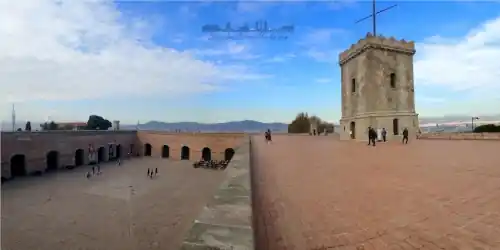
Montjuïc Castle Barcelona – Fortress, Museum & City Viewpoint
Explore Montjuïc Castle: a bastioned fortress, military museum, Civil War prison, and panoramic viewpoint. Former Spanish Army base, now open to the public
Read more >
 METRO
METRO
3.2k views
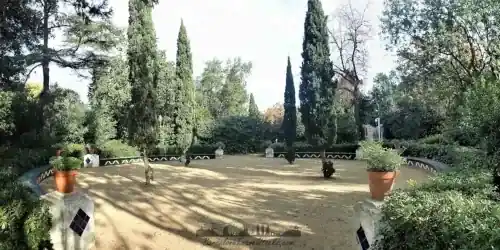
Montjuïc Gardens – Laribal, Joan Brossa & Verdaguer Viewpoints
Explore Montjuïc’s scenic gardens: Laribal, Joan Brossa & Verdaguer. Historic green spaces with city views, fountains & walking routes
Read more >
 METRO
METRO
2.5k views